


Beyond AI Security: Learning How to Assess AI Systems
My Experience with INE’s AI Systems Security Specialist (eAIS) Learning Path


Cybersecurity is often framed as a technical discipline : firewalls, malware analysis, intrusion detection systems, and endless streams of logs. But beneath all the tools and terminology lies a more important question:
What are we actually protecting?
As an aspiring cybersecurity analyst, I’ve found myself increasingly drawn not just to how attacks happen, but to why they happen , and more importantly, who they impact. The deeper I go, the clearer it becomes that cybersecurity isn’t just about systems. It’s about people.
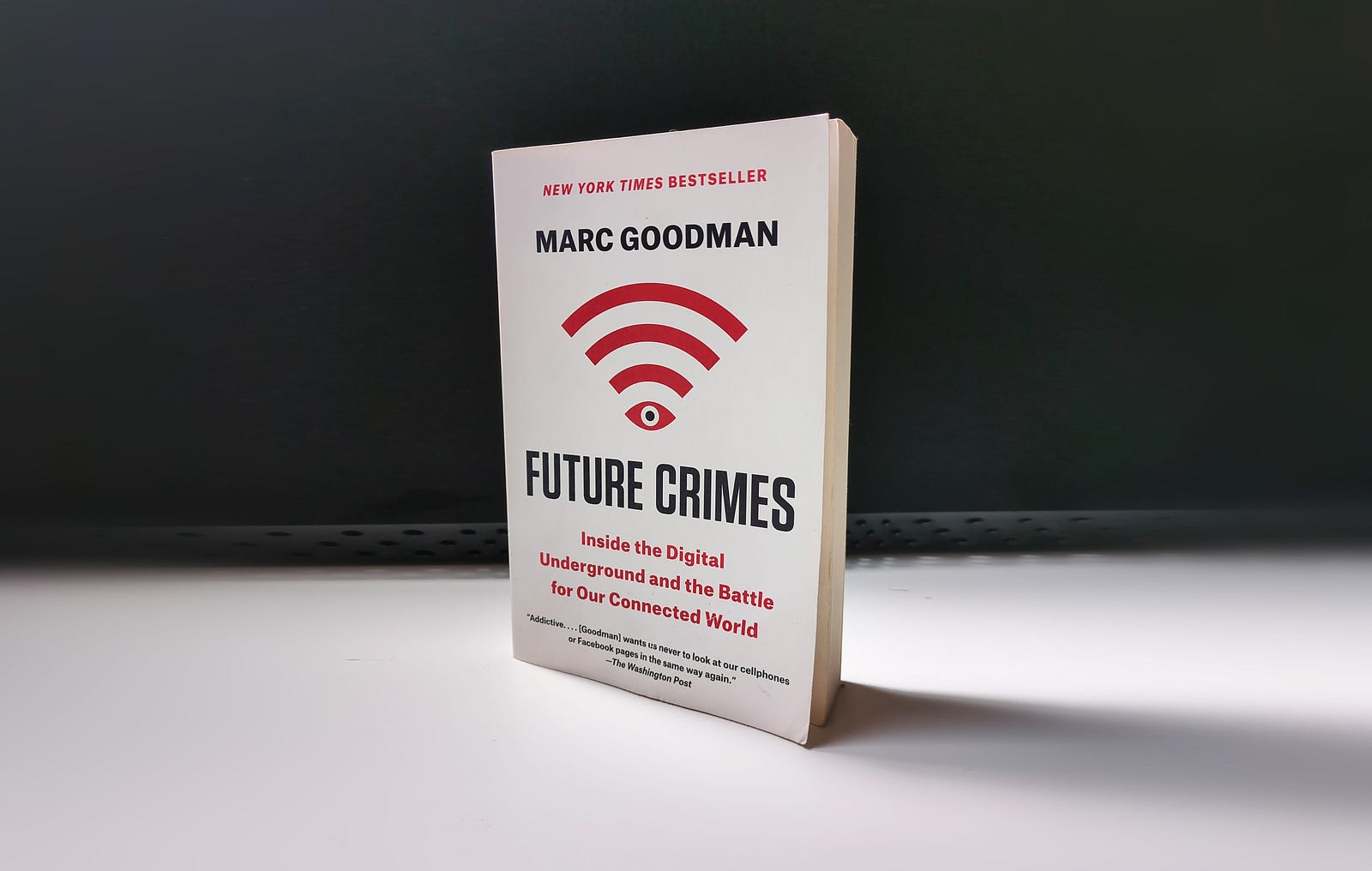
One book that fundamentally reshaped how I think about cybersecurity is Future Crimes by Marc Goodman.
What makes this book stand out isn’t just its technical insight or its exploration of emerging threats. It’s the clarity with which it reminds us of our core mission as cybersecurity professionals.
Goodman doesn’t just describe cybercrime , he contextualizes it. He connects the dots between rapidly evolving technologies and the very real ways they can be exploited. In doing so, he forces the reader to look beyond code and infrastructure, and instead focus on consequences.
At its core, cybersecurity is about three things:
Future Crimes is not a theoretical or abstract exploration of cybersecurity. It is grounded in reality and experience.
Through his work with organizations like the Federal Bureau of Investigation and INTERPOL, Goodman brings firsthand insight into how cybercrime operates on a global scale. The book is filled with real-world cases that illustrate how malicious actors exploit emerging technologies in increasingly sophisticated ways.
These examples reveal patterns that every aspiring analyst should understand:
Most importantly, the book highlights how these attacks translate into real-world consequences, financial loss, reputational damage, psychological harm, and more.
For anyone entering the cybersecurity field , or even those already established, technical knowledge alone isn’t enough.
What Future Crimes offers is something deeper: context.
It bridges the gap between abstract threats and human impact. It reminds us that behind every vulnerability is a potential victim, and behind every alert is a story waiting to unfold.
This perspective changes how you approach the work. It encourages you to think critically, act responsibly, and stay grounded in the purpose behind the profession.
Cybersecurity is not just about defending networks , it’s about defending people.
As the digital world continues to expand, so too does the responsibility of those who protect it. Whether you’re just starting your journey or already working in the field, taking the time to understand the broader impact of your work is essential.
If you’re looking to deepen that understanding, Future Crimes is a good place to start.
It’s more than a book , it’s a reminder of why this work matters.
My Experience with INE’s AI Systems Security Specialist (eAIS) Learning Path
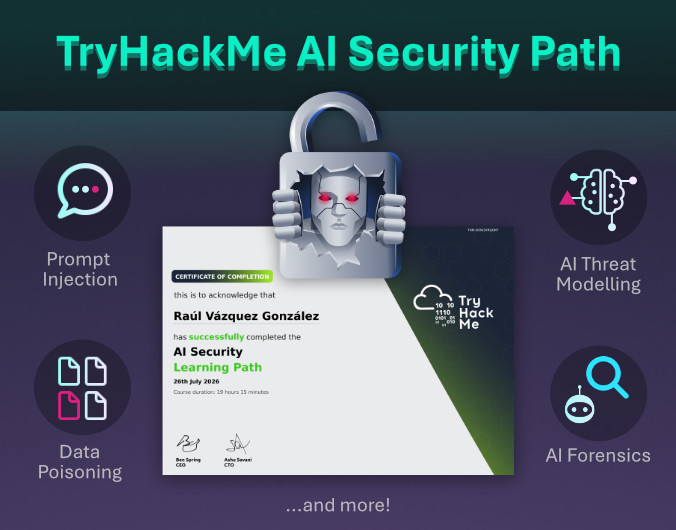
A reflection on completing TryHackMe’s AI Security learning path