


TryHackMe SOC Level 2: What Changed, and What It Says About the Future of the SOC Analyst Role
Exploring the new skills, technologies and investigative mindset behind TryHackMe's updated L2 curriculum


This write-up documents a Threat Intelligence investigation based on Task 3: Probably Just Fine of the First Shift CTF room on TryHackMe.
In this scenario, I take on the role of a Security Operations Center (SOC) Analyst, tasked with analyzing indicators of compromise (IOCs) such as IP addresses, file hashes, domains, and threat intelligence reports.
This task simulates a real-world SOC workflow, where analysts must pivot across multiple intelligence sources to:
The objective is to demonstrate practical defensive security skills, including OSINT usage, malware analysis, and threat attribution.
Process:
I performed a WHOIS lookup on the suspicious IP using DomainTools to identify ownership and network attribution.
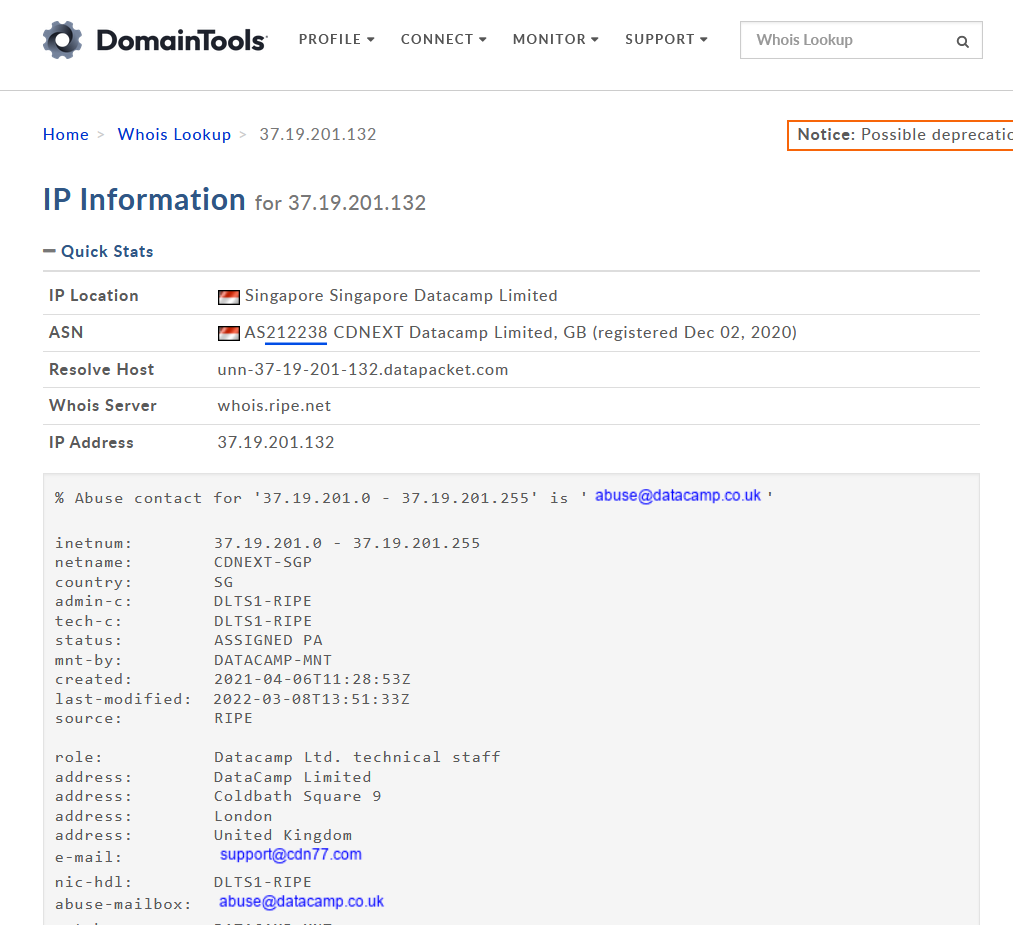
Answer: 212238
Process:
Using the provided file hash, I searched the TryDetectThis Threat Intelligence platform.
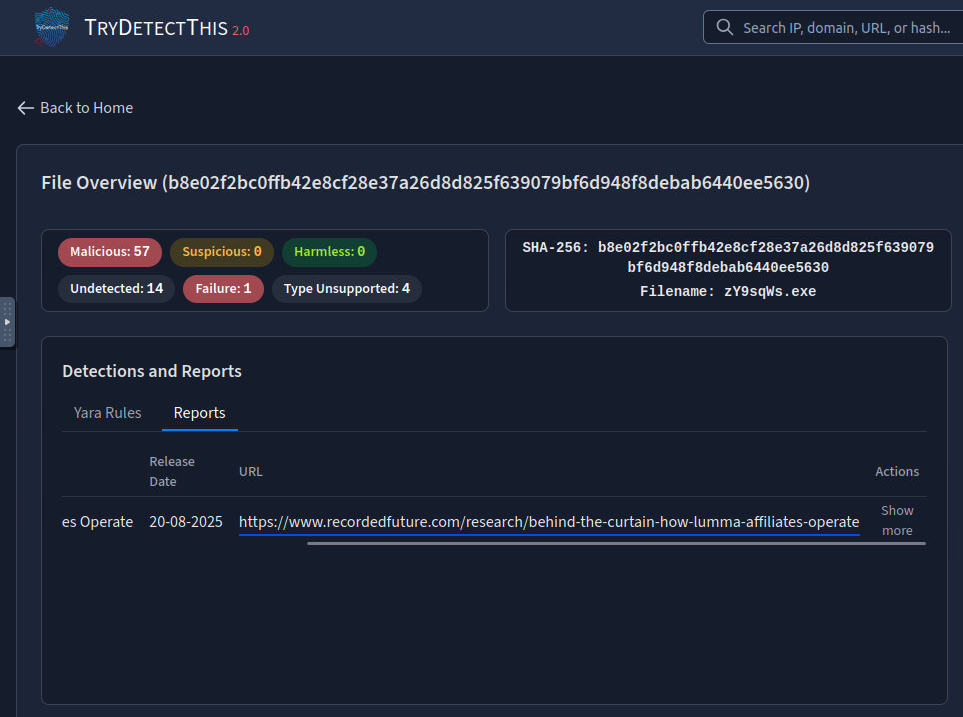
Under Detections and Reports, I reviewed linked intelligence sources, including a report from Recorded Future. This provided contextual information about infrastructure usage.
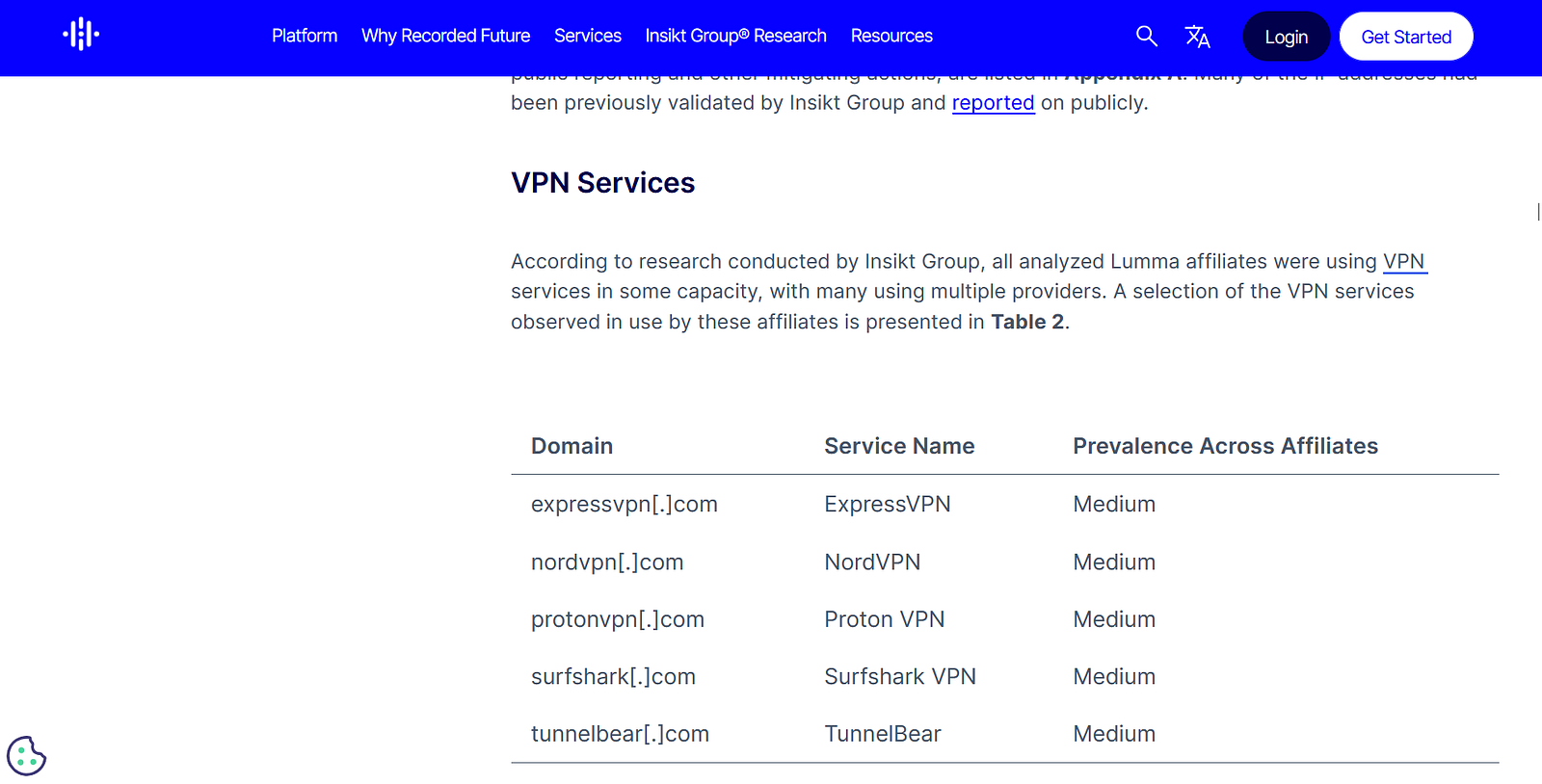
Answer: VPN
Process:
From the same hash lookup results, I navigated to the File Details section to identify the associated filename.
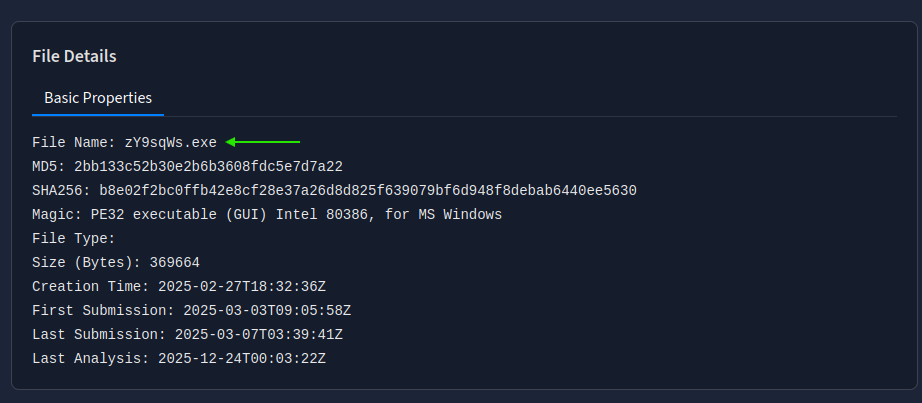
Answer: zY9sqWs.exe
Process:
Within the Vendor Analysis section of the intelligence results, I identified the detection name assigned by Microsoft.
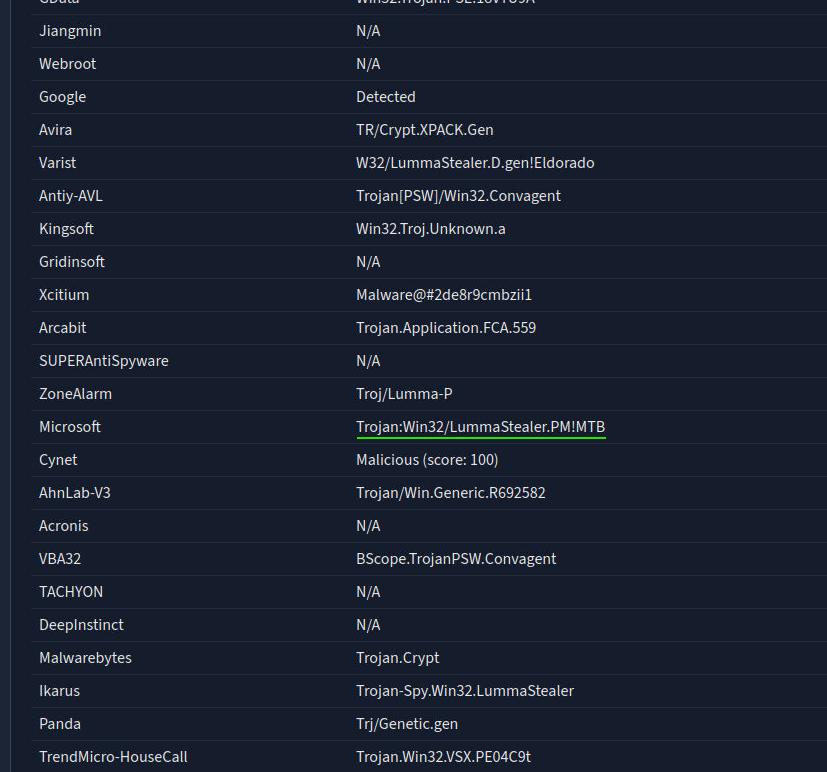
Answer: Trojan:Win32/LummaStealer.PM!MTB
Process:
I searched for the domain gadgethgfub.icu in the Threat Intelligence platform.
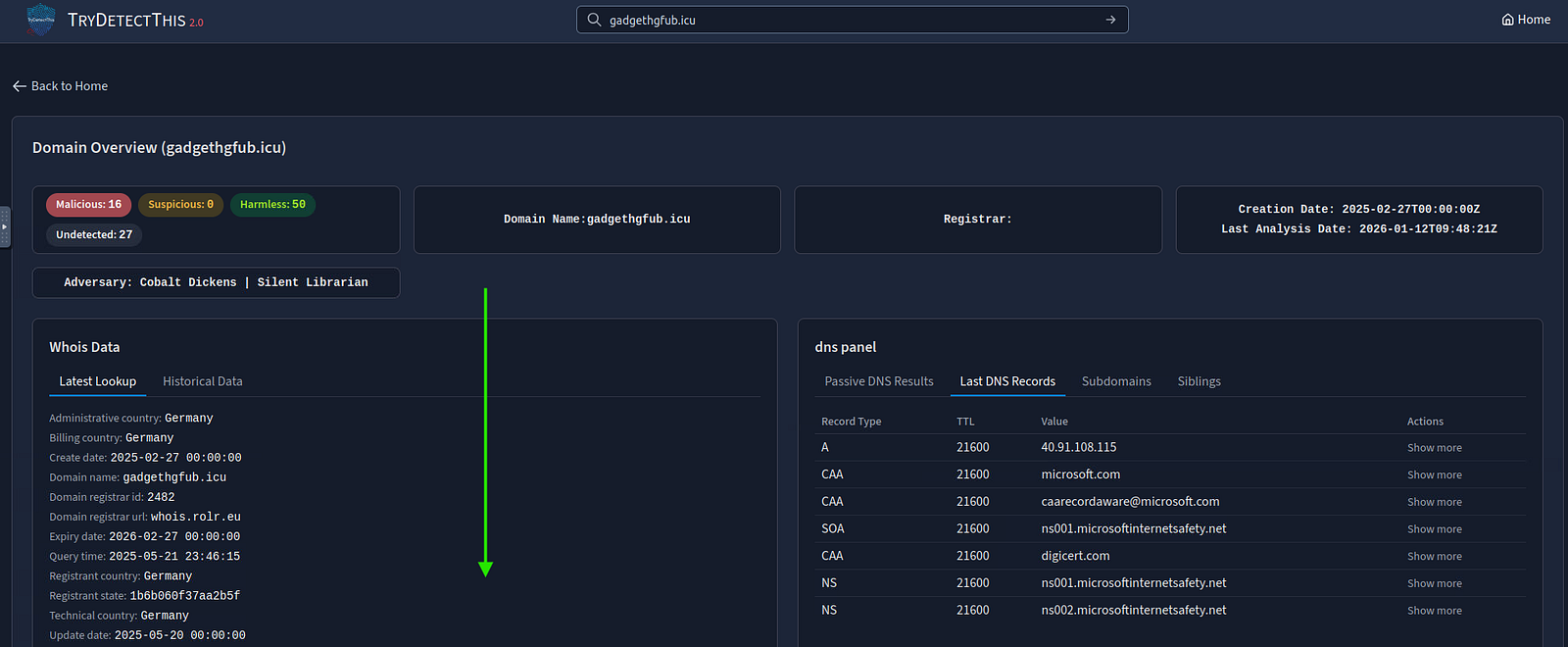
In the HTTPS Certificate Data section, I reviewed the Subject Alternative Name (SAN) field, which lists associated domains sharing the same certificate.
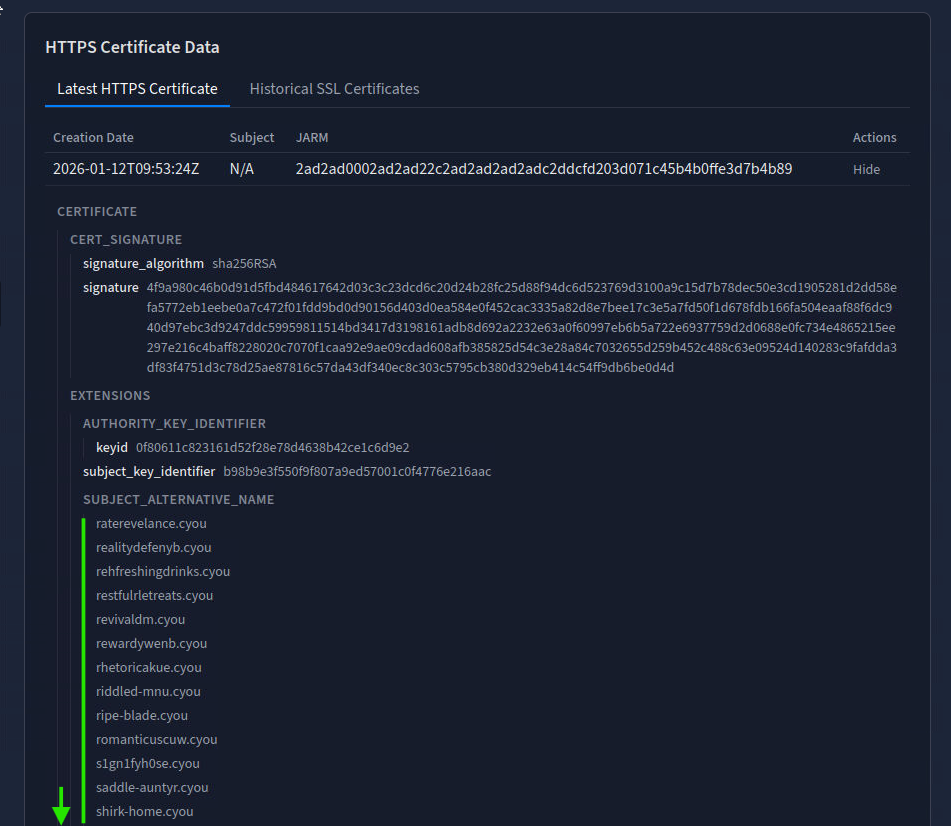
I exported the domain list into a text editor with line numbering enabled to accurately count the entries.
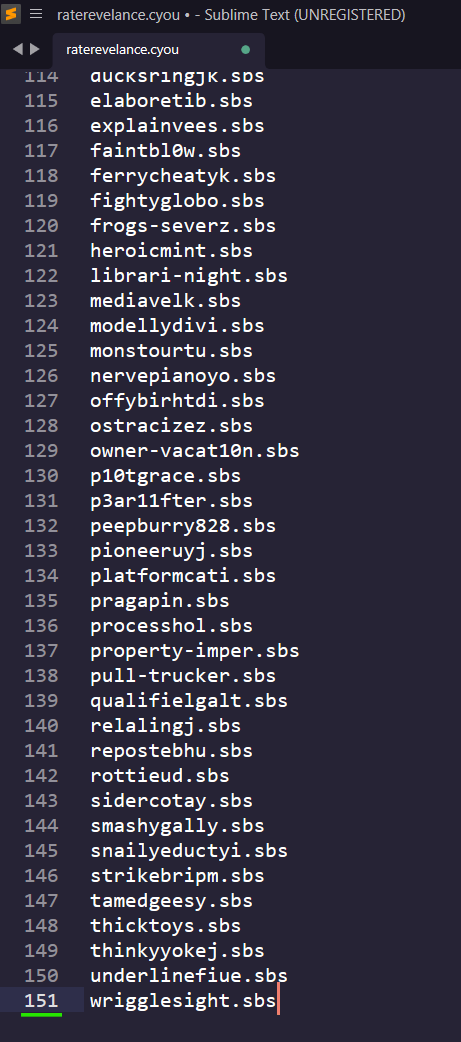
Answer: 151
Process:
In the YARA Rules section of the intelligence platform, I accessed the linked GitHub repository.
By reviewing the rule definition, I identified the relevant condition logic.
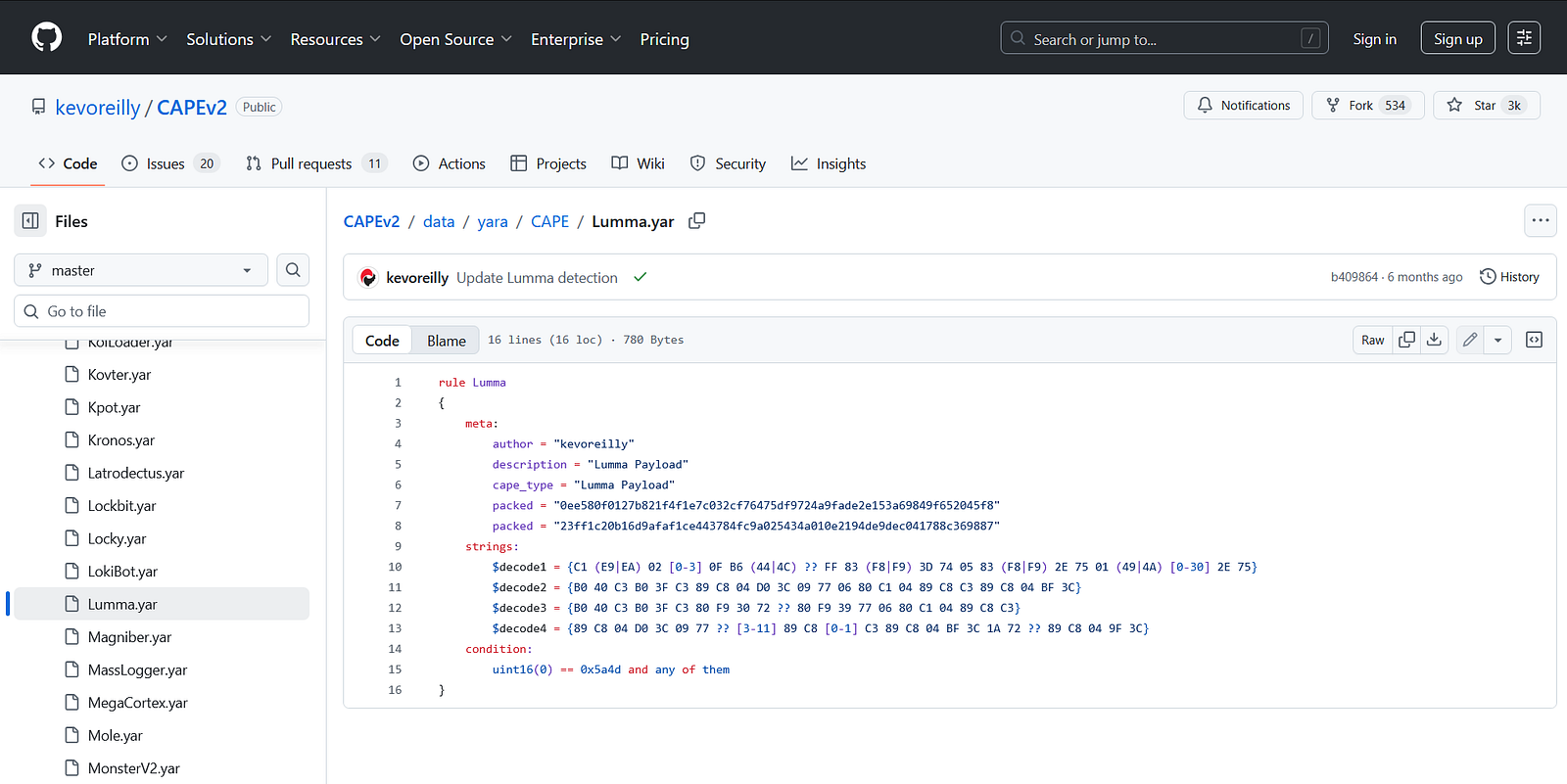
Answer: uint16(0) == 0x5a4d and any of them
Process:
Under Detections and Reports, I navigated to the Reports section and followed the referenced link to confirm the report title.
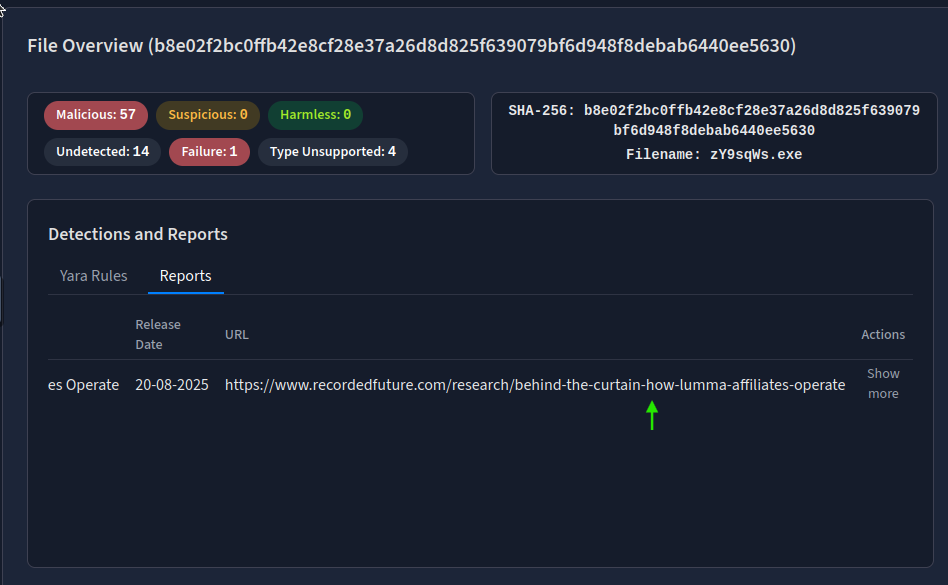
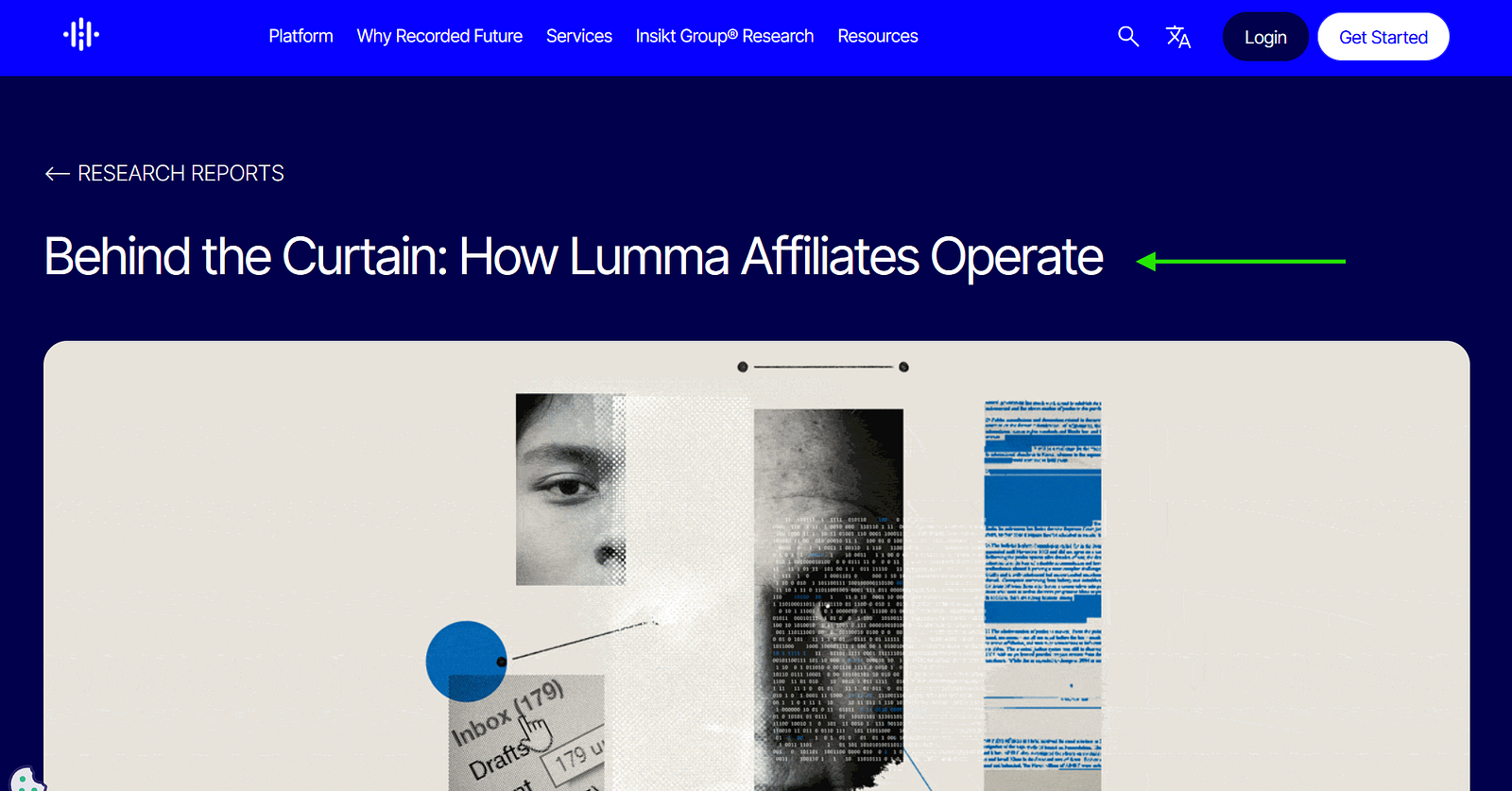
Answer: Behind the Curtain: How Lumma Affiliates Operate
Process:
I reviewed the same threat intelligence report and identified collaboration details within the campaign analysis.
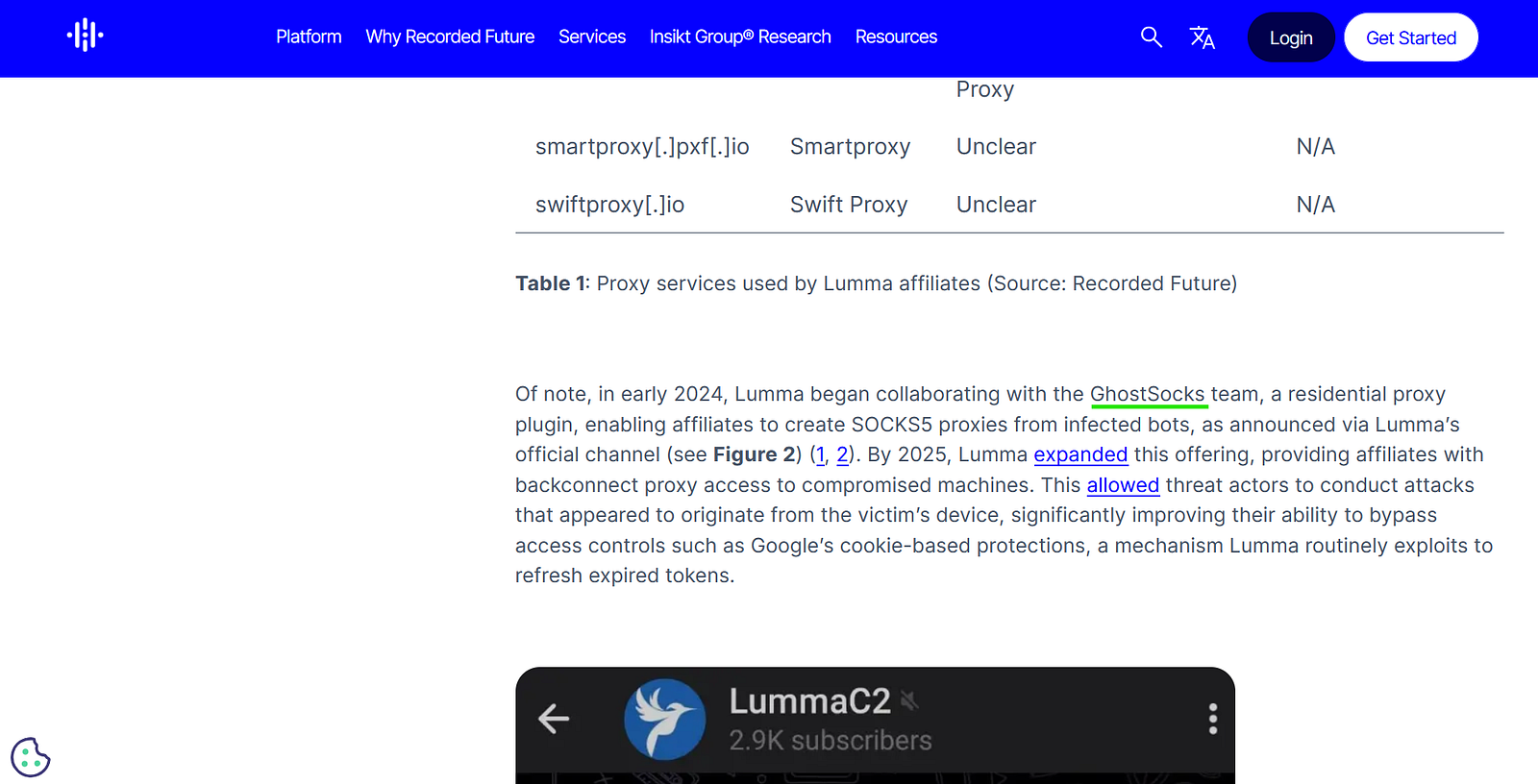
Answer: GhostSocks
Process:
Continuing analysis of the report, I identified references to additional malware families used by affiliates.
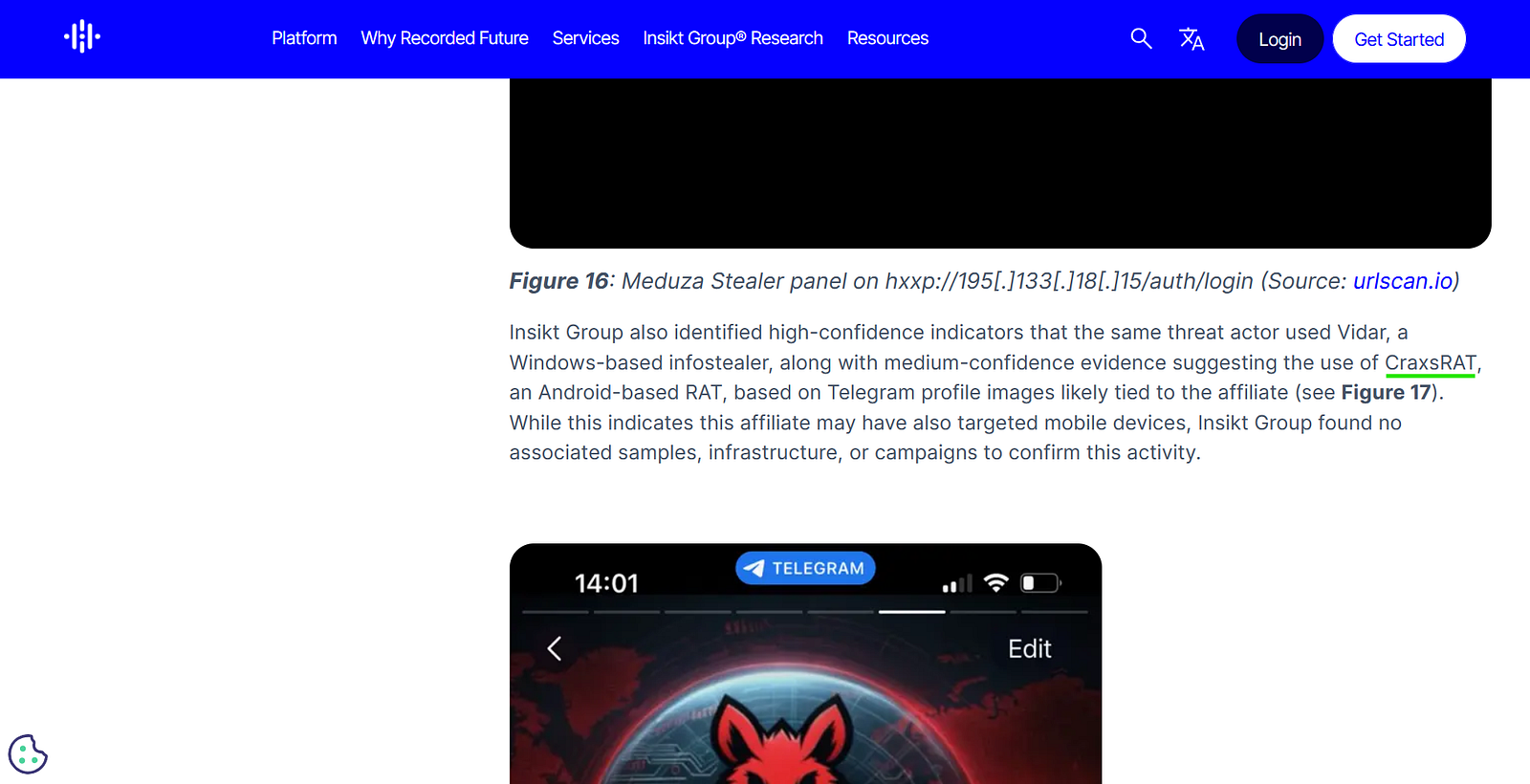
Answer: CraxsRAT
Process:
Based on the use of rented infrastructure services like AnonRDP, I mapped this behavior to the relevant MITRE ATT&CK sub-technique under the Resource Development tactic.

Answer: T1583.003
This task highlights the importance of threat intelligence correlation and analytical thinking in SOC environments.
By pivoting across multiple data sources — such as WHOIS records, malware databases, and intelligence reports — I was able to:
These are essential skills for detecting and responding to modern cyber threats.
Exploring the new skills, technologies and investigative mindset behind TryHackMe's updated L2 curriculum
A Complete Write-Up Demonstrating Real SOC Investigation Methodology
A hands-on path into modern blue team operations