



Inside a Phishing Attack: TryHackMe First Shift CTF — Task 4: Phishing Books
A SOC phishing analysis; email header forensics, obfuscated payload decoding, and adversary attribution


A multinational technology company had been the target of several cyber attacks over the past few months. The attackers successfully exfiltrated sensitive intellectual property and disrupted the company’s operations.
As a CTI (Cyber Threat Intelligence) analyst, my task was to identify the Tactics, Techniques, and Procedures (TTPs) used by the threat group and gather as much information as possible about their identity and motive.
I found this in the threat advisory report.
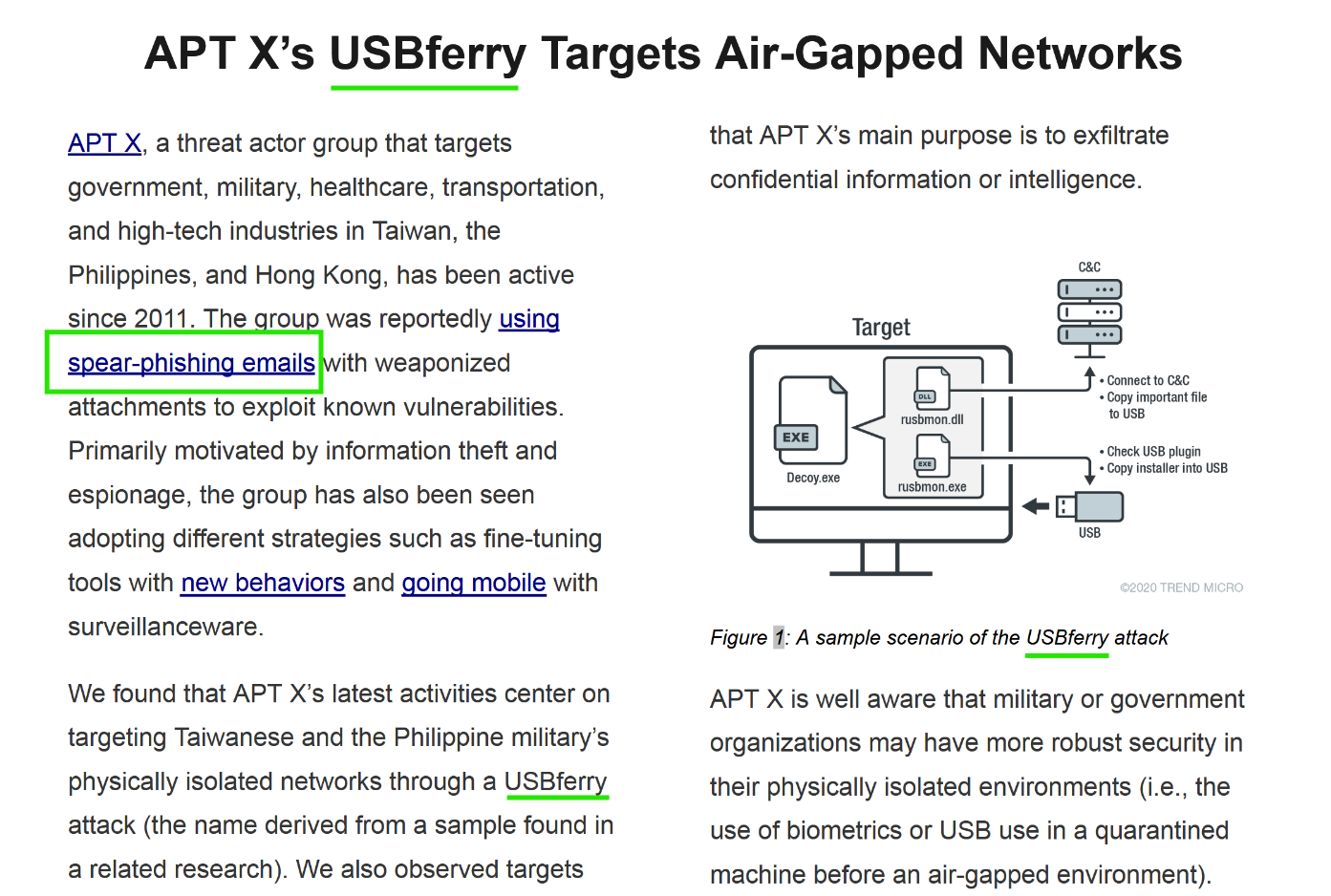
Also documented in the threat advisory report.
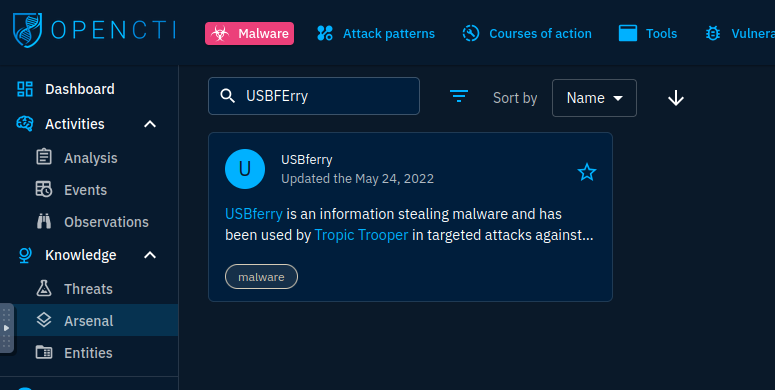
I navigated to OpenCTI → Arsenal, searched for USBferry, selected the resulting card, and viewed the details.
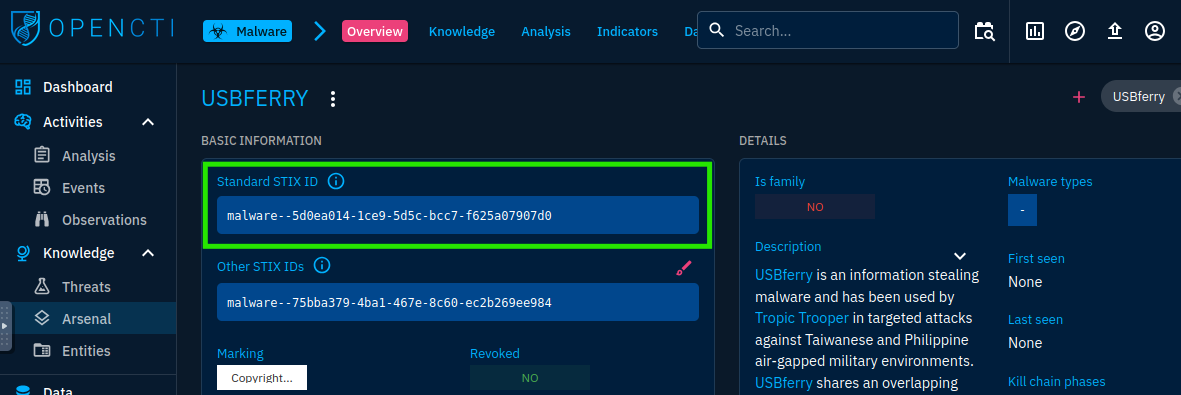
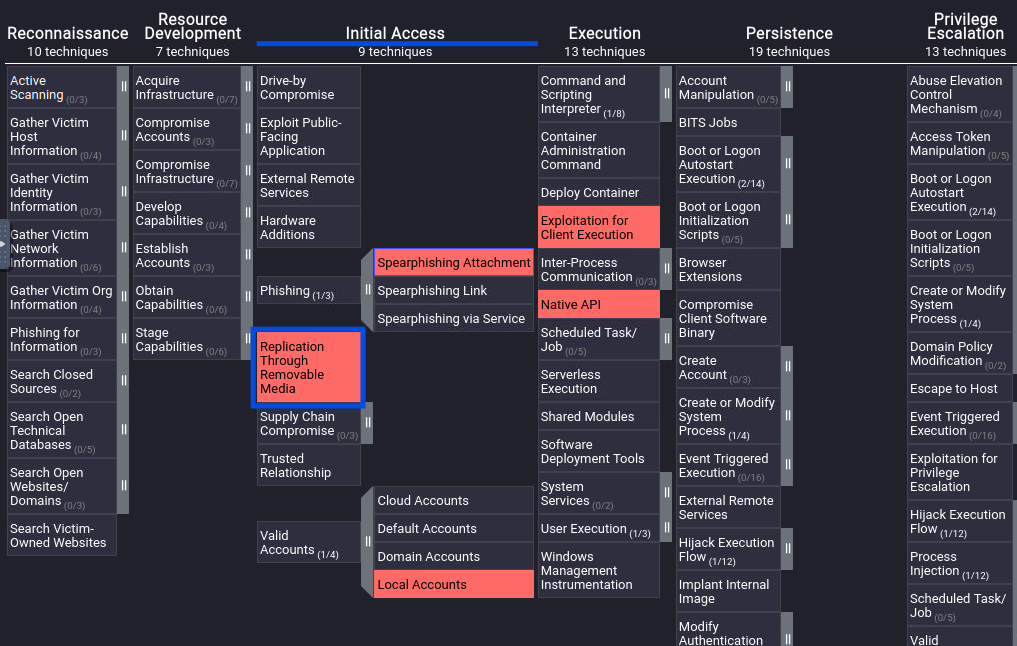
malware--5d0ea014-1ce9-5d5c-bcc7-f625a07907d0I checked the ATT\&CK Navigator’s Initial Access section and located the relevant technique.
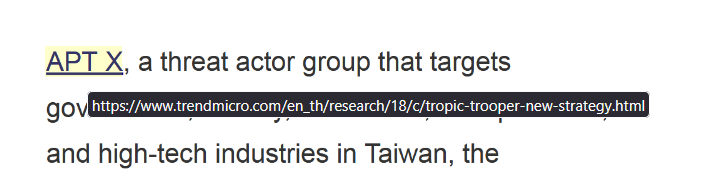
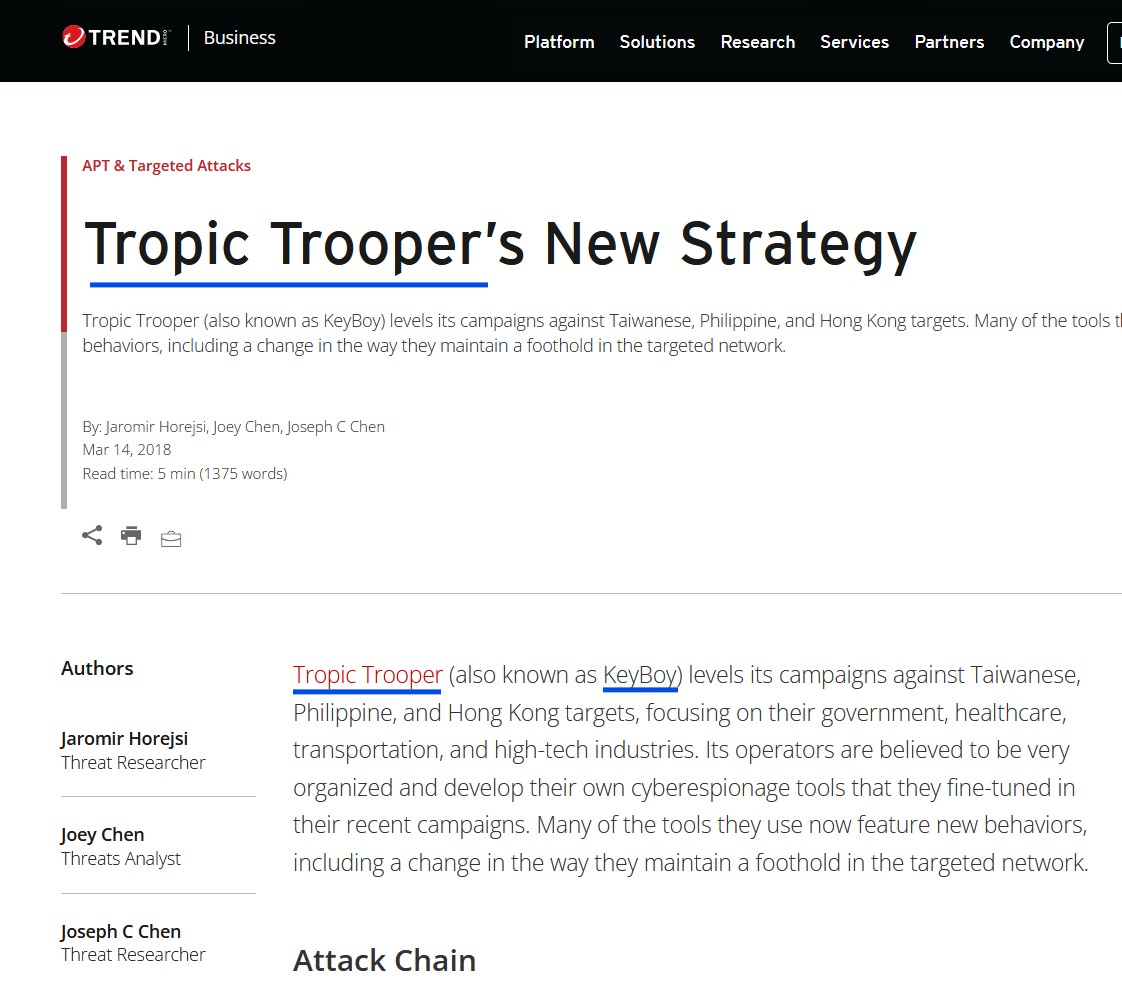
I found additional names for APT X in the included link given in the provided on the threat advisory report. One of them seemed to fit what I was looking for.
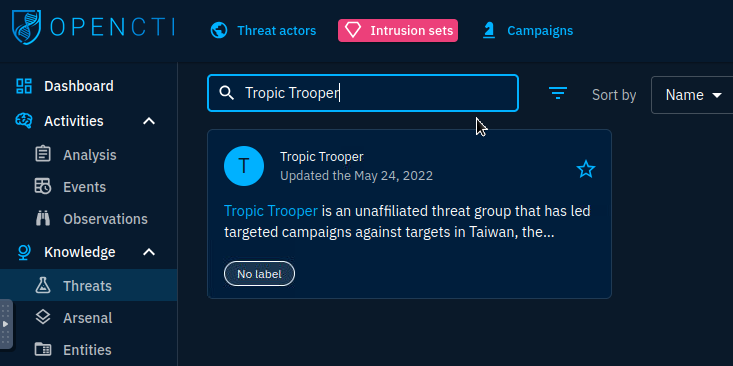
I searched OpenCTI → Threats for Tropic Trooper and viewed the APT card.
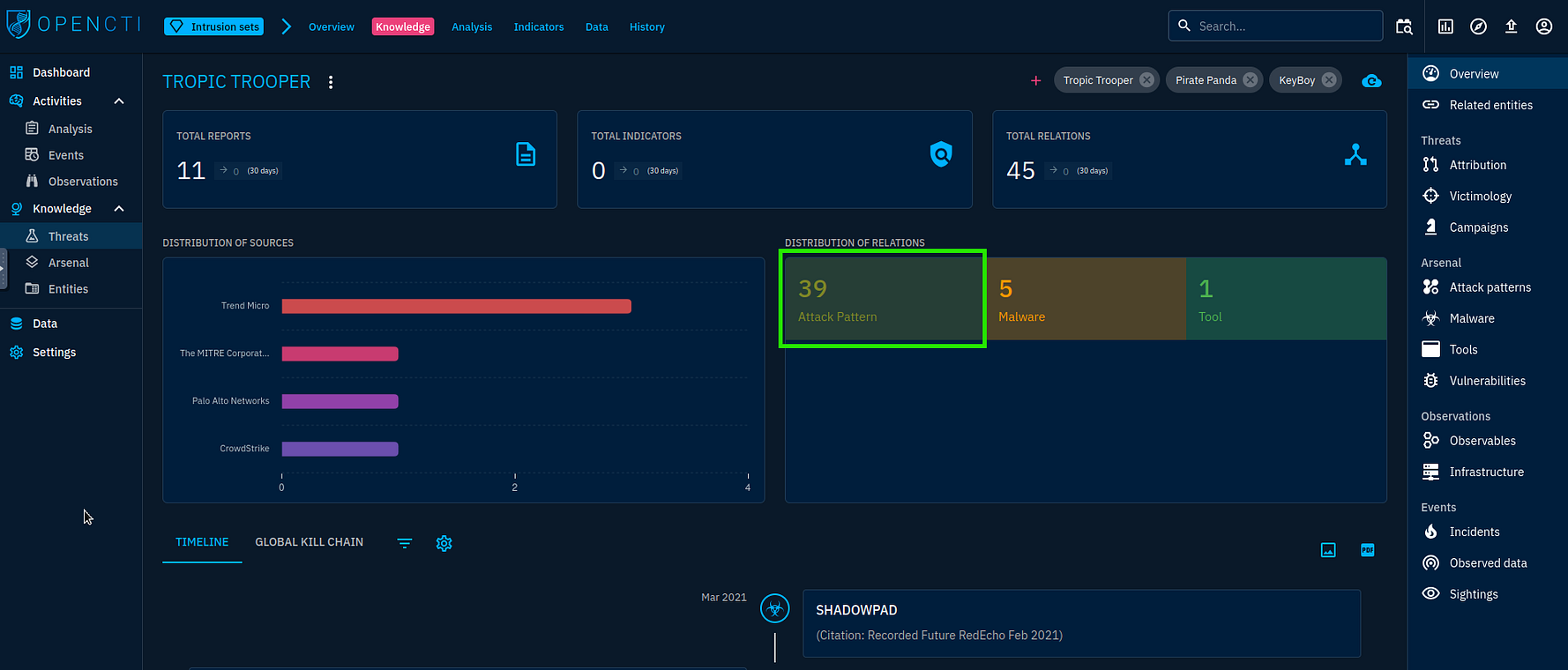
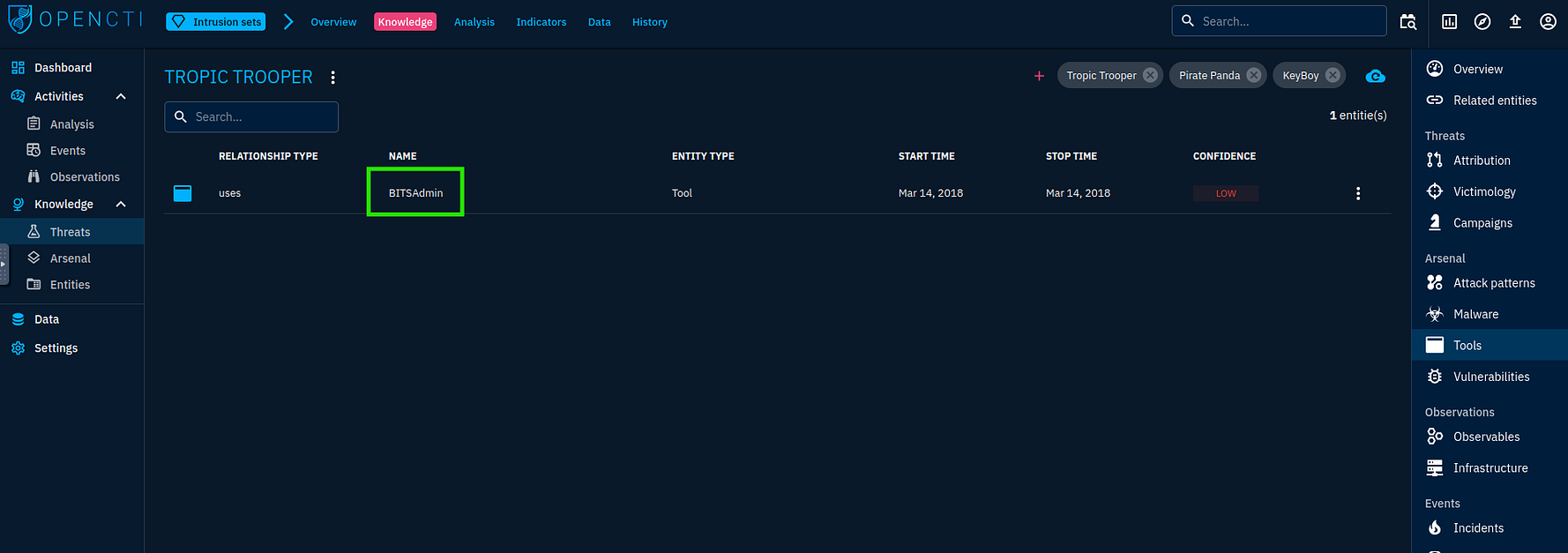
From the Tropic Trooper details on OpenCTI, I selected Tools(on the right sidebar):
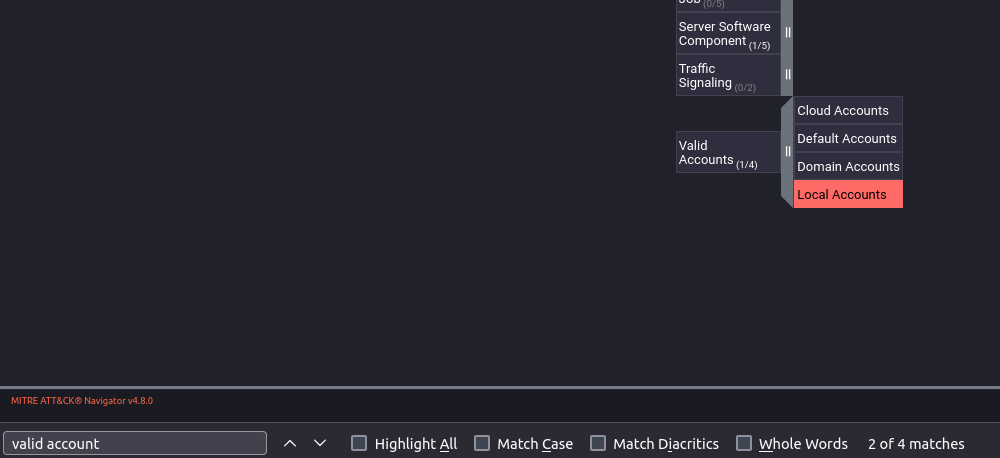
I searched the Navigator for Valid Accounts, expanded sub-techniques and located the specific sub-technique.
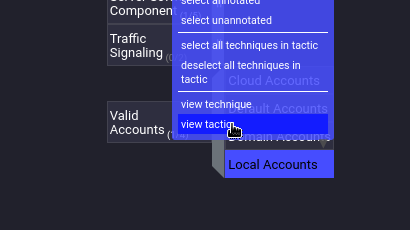
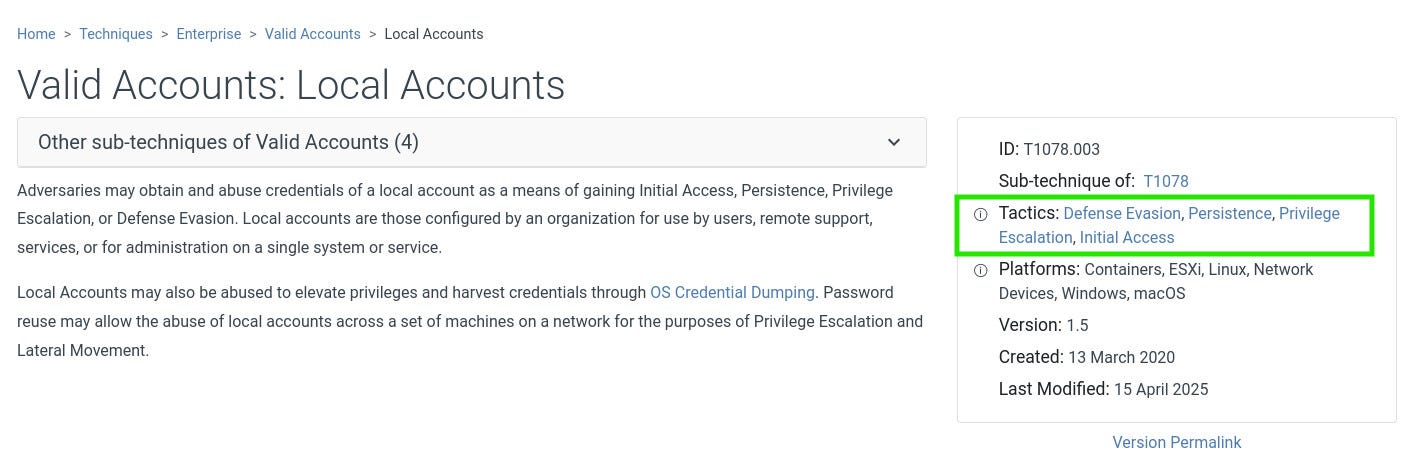
From the Navigator, I viewed the tactics tied to Local Accounts by right clicking the sub-technique found in the previous question.
There seemed to be a lot of information on the resulting page, so again I searched on page, this time looking for “local accounts” and making sure the sub-technique name was included on the “Valid Accounts” technique.
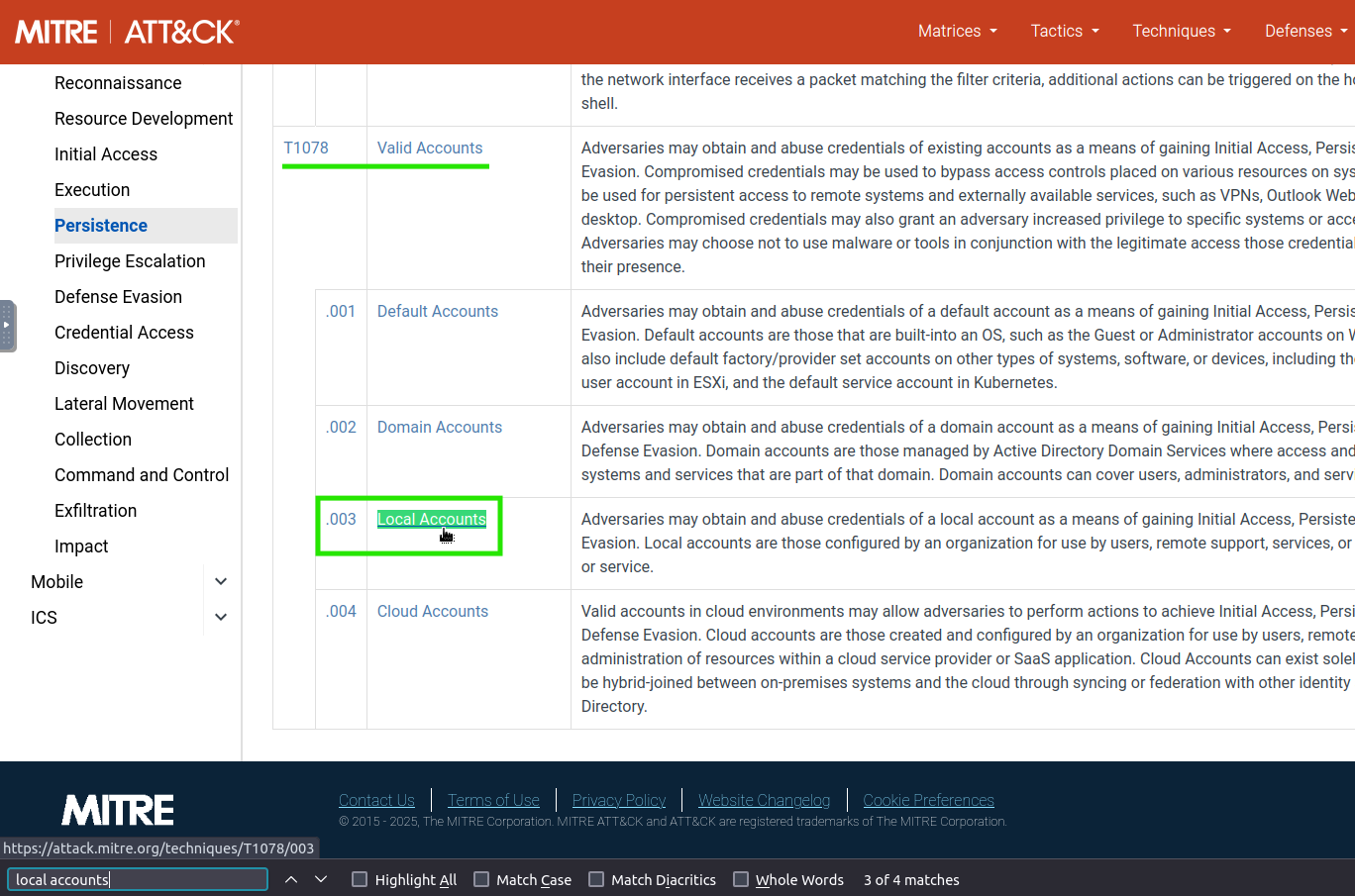
After selecting it, it lead me to the information I was looking for:
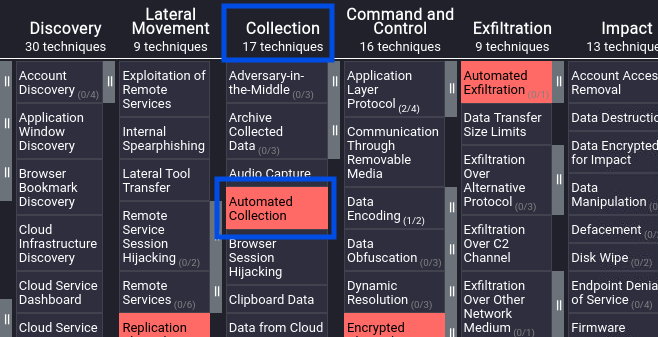
Using the ATT\&CK Navigator, I inspected highlighted techniques under the Collection tactic to determine which ones the group uses.
This exercise provided a valuable opportunity to simulate a real-world cyber threat investigation using tools like OpenCTI and ATT\&CK Navigator.
By analyzing the APT known as Tropic Trooper (APT X), I identified their primary TTPs, including spear-phishing and USB-based malware propagation through USBferry.
The process reinforced the importance of correlating intelligence across multiple sources to accurately attribute activity and understand threat behavior.
A SOC phishing analysis; email header forensics, obfuscated payload decoding, and adversary attribution
A practical walkthrough of SOC investigation techniques, including IOC analysis, malware classification, and MITRE ATT\&CK mapping
A practical SOC analyst investigation of malicious hashes, phishing techniques, and malware delivery chains from the Invite Only TryHackMe room